A Poem, News & Books
Dear Fellow Dreamer,
May these lines be a call to spring.
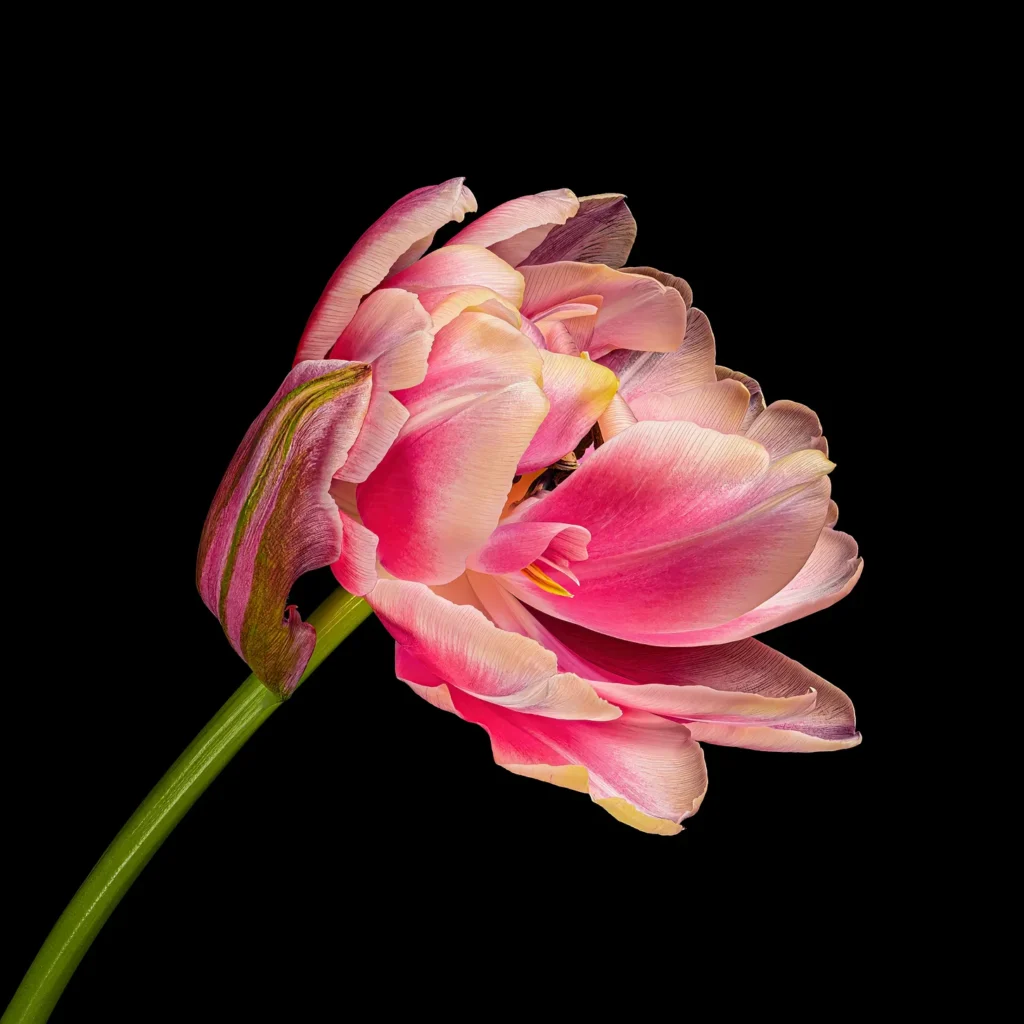
Tulip
Bloom.
Blaze into the stillness
of my room.
Open your lips,
let the black dust fall.
Ravish me.
© Robin Blackburn McBride
As the days lengthen, I’m embracing a few new projects and taking a (very) short March break from Awakening Wonder. Please look for my next newsletter on Friday, April 3rd, when I’ll share the cover of River of Dreams. (!)
Over the next several weeks, the audiobook will begin to take form in my home “studio” (a.k.a. this little office).
On March 22nd, you’re invited to the first of three online writers’ gatherings in a series called Magic Animals. You’ll find a description in my last letter. If the series speaks to you, I’d love for you to join us in an inspired, supportive, and intimate afternoon of imagination and writing. All levels. Annual paid subscribers receive this series as a gift. Simply upgrade to enroll. Individual sessions are $30 CAD. Learn more and register here.
Since March is a month when many of us take vacations, I thought I’d round out this week’s letter with a few reading highlights, in case something appeals, and you’d like to add it to your wish list. Or maybe even your suitcase.
Fiction
Here are three novels I’ve enjoyed this winter, all featuring strong female characters and “supernatural” or otherworldly elements.
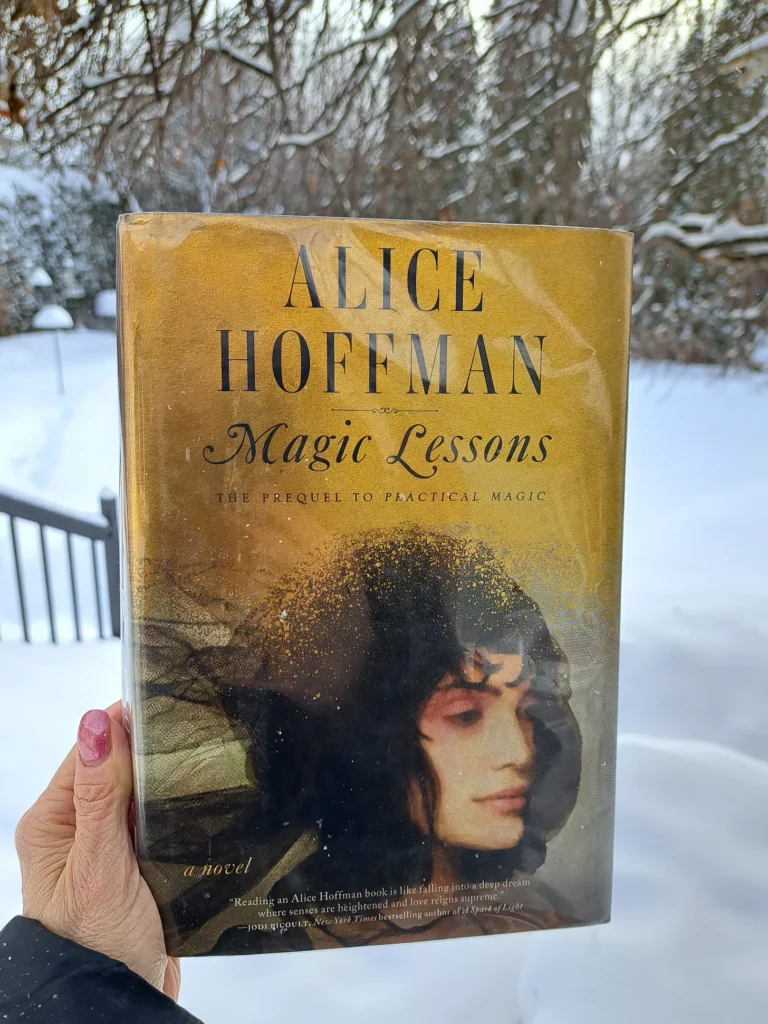
Magic Lessons by Alice Hoffman (Simon & Schuster, 2020) is a prequel to Hoffman’s Practical Magic series. Opening in the English countryside of 1664, it tells the story of Maria Owens—an infant abandoned in a field and raised by a woman skilled in the “Nameless Arts.” As one expects in a Hoffman novel, events take many intriguing and dramatic turns. Along the way, Maria emigrates to the New World, settling first on the island of Curaçao in the Caribbean, then in Salem, Massachusetts, and eventually, New York City. This is a story about being an outsider—what it’s like to be a woman with unusual abilities who doesn’t fit society’s mould. A weave of magic, romance, tragedy, and the healing arts, it’s also a feminist depiction of a single mother and her daughter making their way in a dangerous world. Hoffman’s magic realism and historical details help to make this love story wonderful.
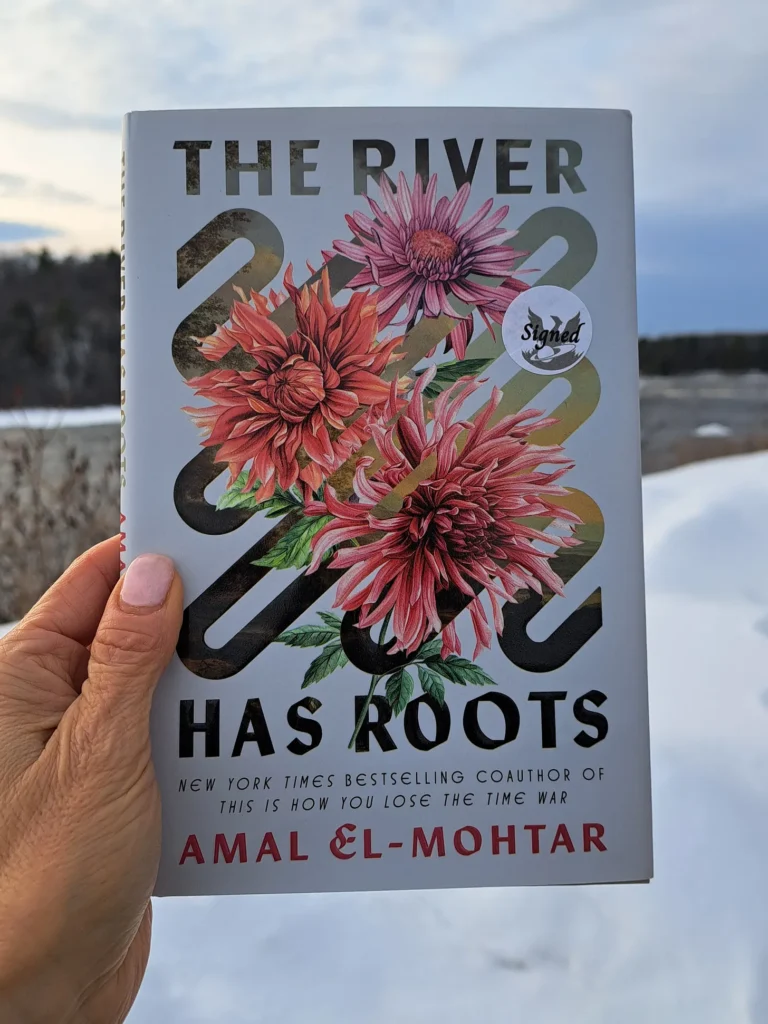
After seeing various glowing posts on Amal El-Mohtar’s novella The River Has Roots (Tor, 2025), finally I picked up my own copy. In general, I’m not a fantasy reader, which is why I’d hesitated. But Canadian-Lebanese author El-Mohtar lives in Ottawa, just across the river from me, and I wanted to get to know her work. I’m glad I did.
Flipping through the first few pages, what sold me on The River Has Roots was El-Mohtar’s prose. Her writing is lyrical, mysterious. Gorgeous. Once I’d broken through into a world where the waters of the River Liss “brim with grammar,” its willow trees are grammarians, and the town of Thistleford borders Faerie, I found myself needing to know what would happen to the story’s two central figures, a pair of sisters, Esther and Ysabel. Singers, the two women honour the willows with their extraordinary songs. Yet when Esther falls in love with Rin, a shapeshifting member of the Fae, what will happen? And when a suitor attempts to woo Esther so he can take over the women’s land, how will the folk fantasy end? After all, the novella is a reinterpretation of a 17th-century Scottish murder ballad. Listed in the category of fairy tales, The River Has Roots is a story of transformations, riddles, music, violence, loyalty, and love. If you enjoy suspenseful, dreamlike narratives with magical elements, this book will enthrall you.
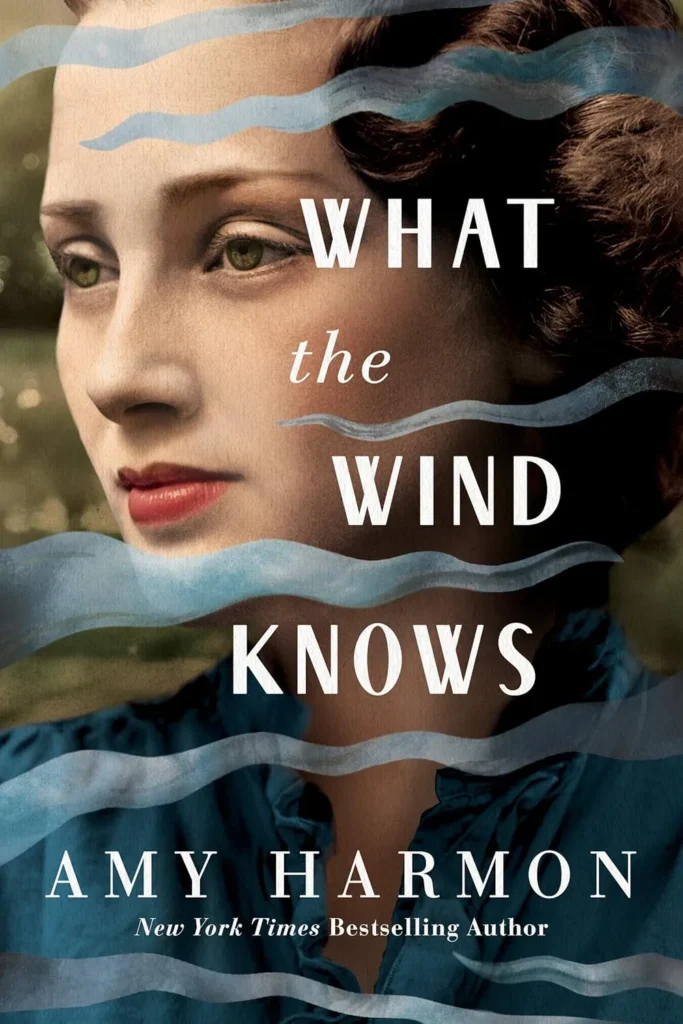
What the Wind Knows, by Amy Harmon (Lake Union Publishing, 2019), is categorized as both literary fiction and 20th century historical romance. I’m much of the way through it and gripped. In this time-slip genre novel, protagonist Anne Gallagher begins in 2001 America, travels to Ireland to scatter her grandfather’s ashes, and winds up back in 1921 during the Irish War of Independence. Once again, as in Elaine Feeney’s Let Me Go Mad in My Own Way (discussed here last fall), we read of the infamous Black and Tans—the British paramilitary force recruited to beat down the new Irish Republican Army and any of the Irish people seeking freedom from imperialist rule.
Several aspects of this book are keeping me charmed. The relationship between Anne and her grandfather, Eoin, is moving. At the beginning, Anne mourns old Eoin’s death, but soon finds herself reunited with him as a six-year-old boy. While back in time, Anne is mistaken for Eoin’s lost mother—her great-grandmother and doppelganger with the same name—a political activist who’d vanished in the Easter Rising of 1916. Since I’m a sucker for W. B. Yeats poetry, the Yeats epigraphs at the beginnings of the chapters are another enchanting element. Irish history compels me, as does the period of the 1920s, which is also the period of River of Dreams. And of course, there’s the slow-burn romance developing between Anne and Thomas Smith, the man who knows her (or thinks he does) and takes her in. Allied with the Irish rebels, Smith is a friend to Sinn Féin leader, Michael Collins—an historic figure we know will be assassinated in 1922. What will happen to Anne, Eoin, and Thomas?
Nonfiction (Metaphysical)
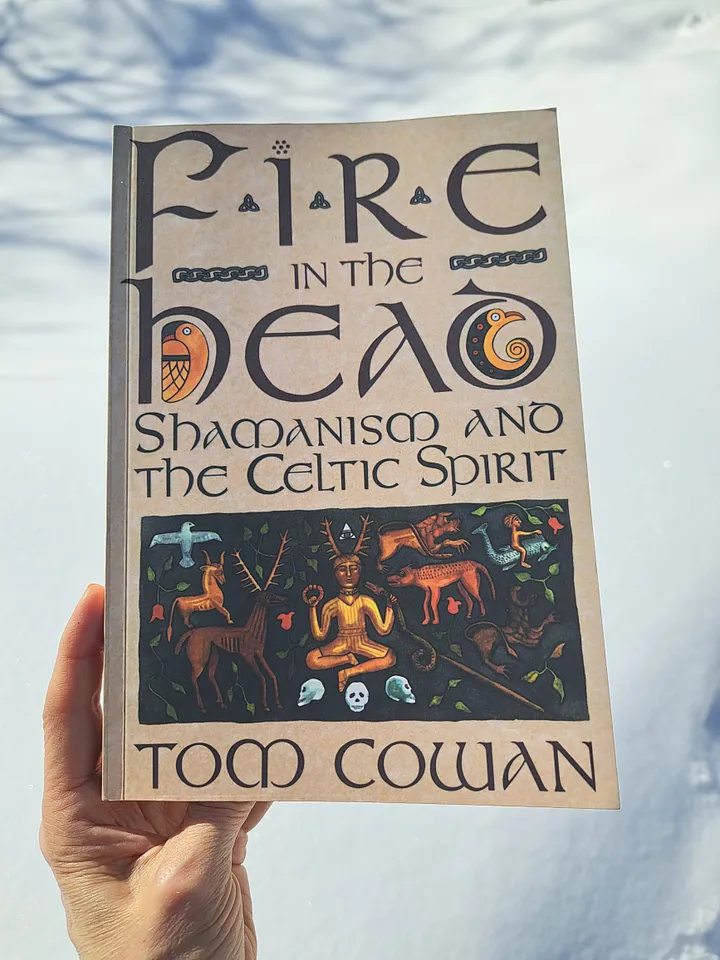
Since last fall, I’ve been delving into the work of Tom Cowan. If you’re interested in things Celtic, including Celtic shamanism, I’d recommend any of the three books of his on my shelf: Yearning for the Wind, Practical Shamanism, and the one I’m currently reading, Fire in the Head. Cowan does a great job of imparting condensed histories of the Celtic peoples and their tales, and of describing shamanic practice. He does so in a way that’s integrative and respectful of other traditions.
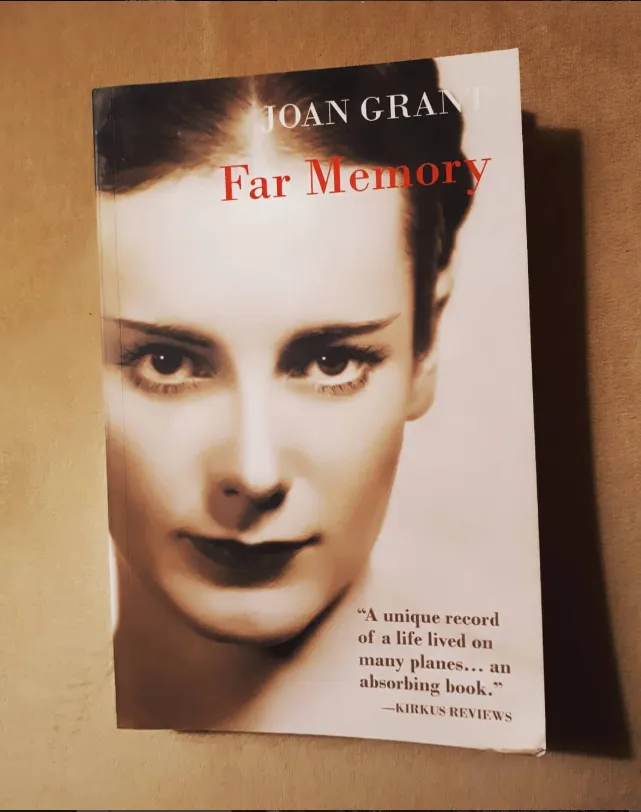
I’m also rereading one of my favourite memoirs, Joan Grant’s Far Memory. I may do a post on it later this spring, since she documented her experiences as a 20th century clairvoyant, and that topic connects with River of Dreams. Grant’s story is fascinating, her writing smart and funny. I love her tales of the uncanny. Certain sections of this book are as captivating as some of the best fictional ghost stories I’ve come across.
Nonfiction (Essays)
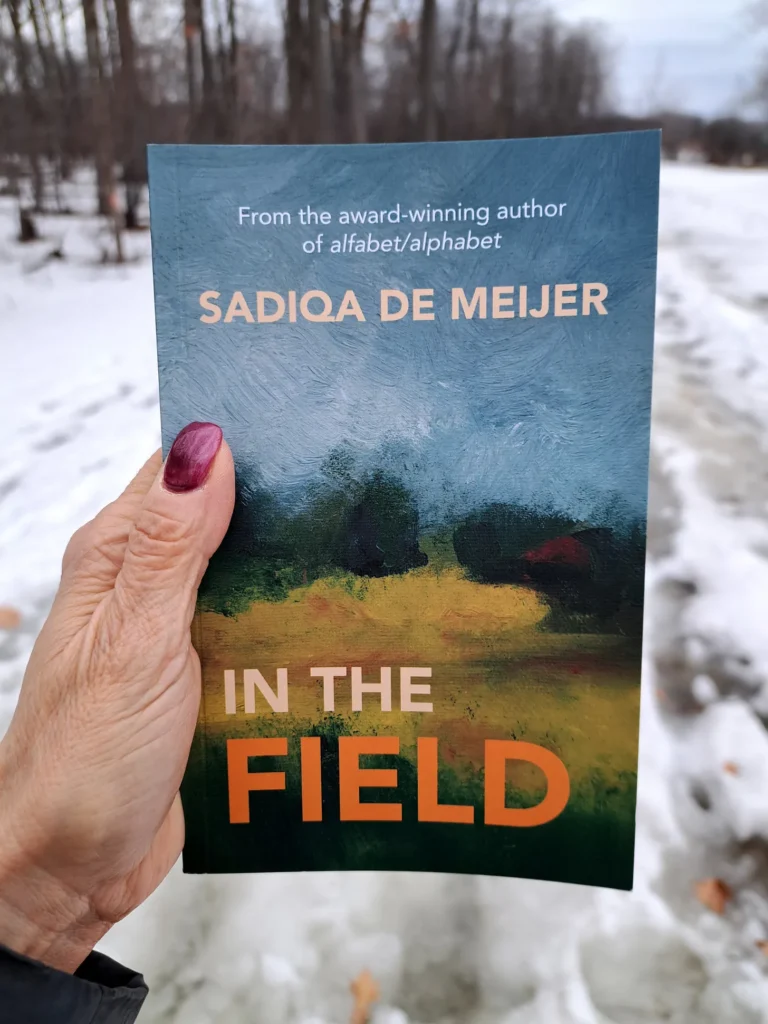
In the Field, by Sadiqa de Meijer, has been on my list for a while, and I know I’m going to savour it. To give you a sense of her essays’ scope, here’s a passage from the book description, including several of the author’s guiding questions: “What meaning does birthplace hold? What drives us to make contact with a work of art? How do we honour the remains of the dead?” Her writing is described as “a form of fieldwork grounded in intimate observation.” To learn more, you may wish to read author Danila Botha’s review in The New Quarterly. Botha calls the collection “stunning,” describing de Meijer’s work as “always lyrical and evocative, a perfect mix of poetry, introspection, and philosophy.”
Sadiqa de Meijer lives in Katarokwi/Kingston, Ontario, where she is Poet Laureate.
Is there a book you’ve been enjoying lately? Let me know!
Here’s wishing us all a happy spring.
Warmly,
Robin