The First of Two Letters on Growing a Dream
Do you keep a journal? If not, I encourage you to consider starting one. And if you do have a daily writing practice, I hope this letter will spark new ideas and inspired actions.
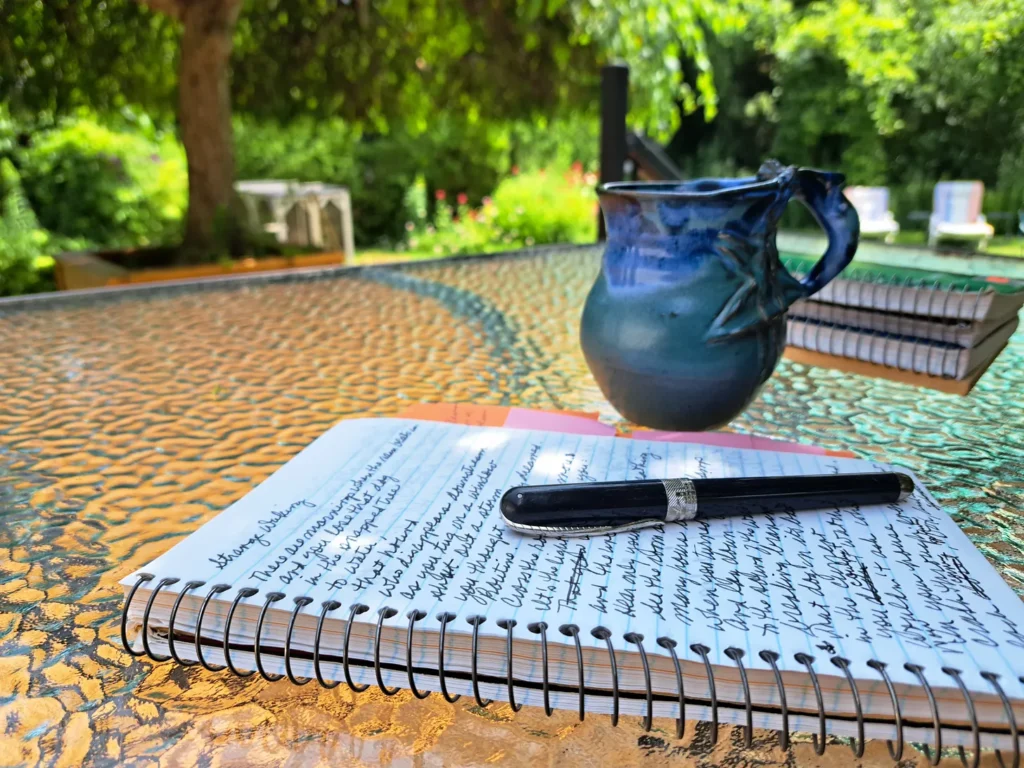
Over the years, I’ve coached people in many walks of life. From experience, I know that no matter what dream you’re building, you can use your journal as a tool for voicing your interests and passions, gaining clarity on your vision, and a great deal more.
Whether you’re a writer, painter, landscaper, real estate agent, chef, civil servant, c-suite executive, or business owner (the list goes on), writing down your thoughts can help you build your dreams.
What exactly goes into a journal?
Anything. Everything.
Your journal is a place to express yourself and get to know yourself, to look deeply. It’s a place to be wild—to set down your burdens and insights, and all the other thoughts that come through. It’s a place to be honest. When you give yourself permission to be uninhibited on the page, the daily act of journaling can be restorative and even thrilling because it’s so spontaneous. At first, you may feel vulnerable. And that’s okay. Because you’re the only one seeing it.
The process of following your issues, obstacles, and emotions can help you to develop greater clarity and empathy for yourself. Deeper trust. You may find more empathy for others, too. Keeping an honest record is not about being careful, but caring. It’s an invitation to cultivate radical curiosity, compassion, and understanding.
You don’t have to be a writer by profession, or vocation, in order to experience the many benefits of journaling. In doing a little research on the subject, I came across Joel Foster’s article, “Examples of Highly Successful People Who Journal.” Only two of the people he includes, Lady Gaga and Arianna Huffington, self-identify as professional writers. I also discovered a lengthier, value-packed article by Benjamin P. Hardy, entitled, “23 Ways Keeping a Journal Could Change Your Life.” Hardy’s list begins with an exploration of how and why journaling benefits creativity and accelerates our ability to manifest our goals.
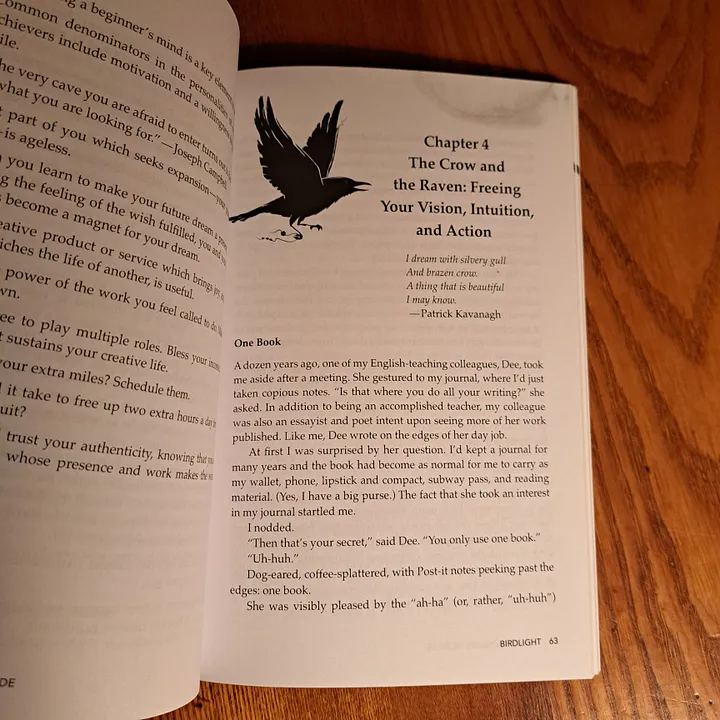
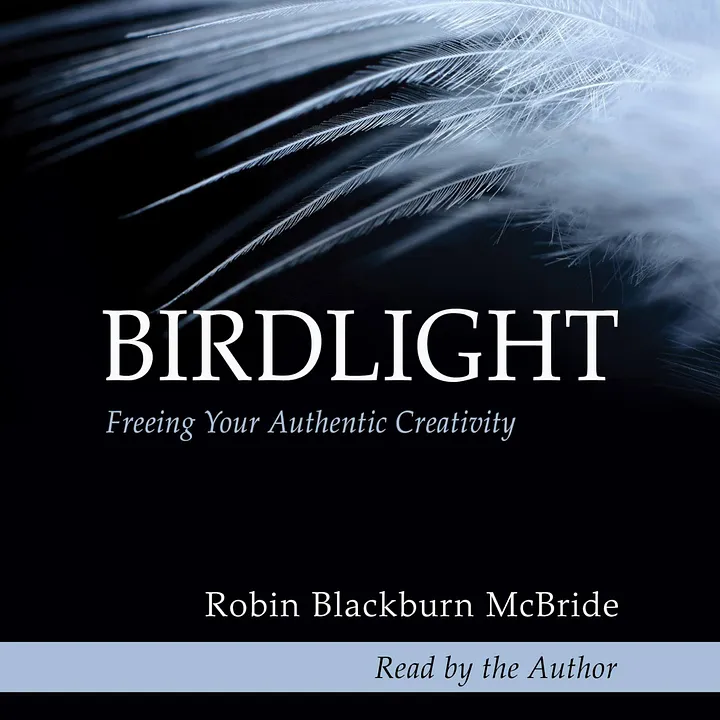
If you’d love to read more on the subject of journaling for dream building, I’ve devoted a whole chapter to it in my book, Birdlight: Freeing Your Authentic Creativity. There, I also provide instructions on how to organize your journals so you have easy-access to your writing through time.
A Few Thoughts on the Wonder of Time Travel
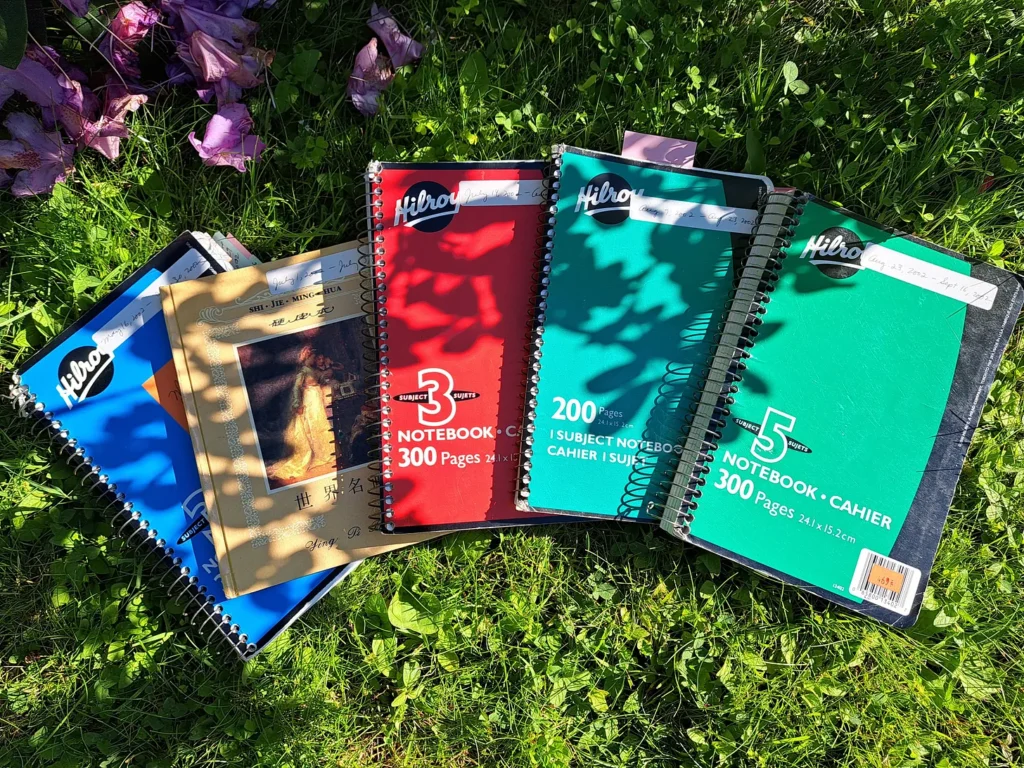
Something I’ve learned about journals is that they can become portals—direct flights—to astonishing “visits” with former versions of yourself. Opening old notebooks, you get to meet yourself in your previous struggles, elations, creations, and growth. It’s different from looking at old photographs, because your thoughts are there on the page, and fresh, as though you’d just put down your pen.
In planning this letter, I set out to compose a straightforward summary of the early stages of writing my novel, The Shining Fragments. What I didn’t foresee was how immersed I’d become in revisiting the summer of 2002, when that early project began as a glimmer. The experience of going back in time caused me to reconsider how to approach this and my next letter to you. It also reaffirmed what I know about dream building.
What follows describes a long-ago, writerly dream-build of mine. Please simply adapt what I’m sharing on the process of starting a novel, to your own particular situation and the vision you’d love to bring into form.
Starting and Growing a Dream: A Case Study
In the summer of 2002, I’d released my first book, a volume of poetry, In Green. I was a full-time teacher whose marriage had ended two years earlier, and I was living with my daughter in a small apartment in the Annex neighbourhood of Toronto. It was an expensive neighbourhood, and as the breadwinner, I felt trapped in a hot box with most of my pay going to rent and groceries.
But beyond feeling broke financially, I was in a state of confusion and brokenness in my relationship domain, sensing a romance was coming to an end. I spent much of that summer working through it, writing about it, getting help, making observations, making uncomfortable decisions, and getting clear.
At the same time, I was devoted to writing my dreams. I don’t mean aspirational dreams (I wasn’t a coach then), but the dreams I had at night. Many years later, I’d commit to a more formal exploration of dreaming and the subconscious through Jungian analysis. I’d also embrace shamanic dream work in my studies with Robert Moss and other teachers of traditional life ways. But what I discovered in excavating my old journals from 2002 is that back when I was in my thirties, I knew intuitively to write down my dreams, pondering what they might mean, and how they made me feel.
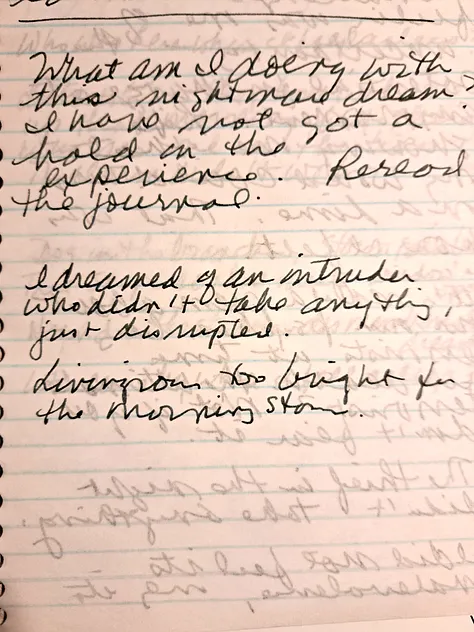
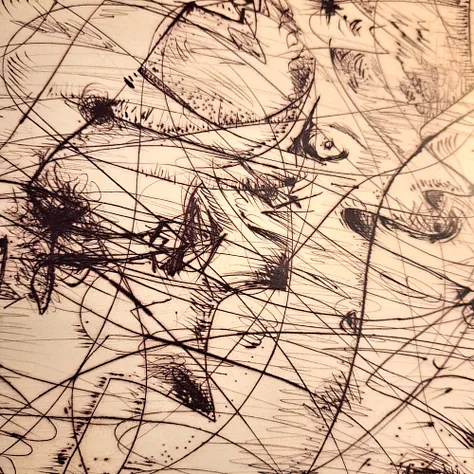
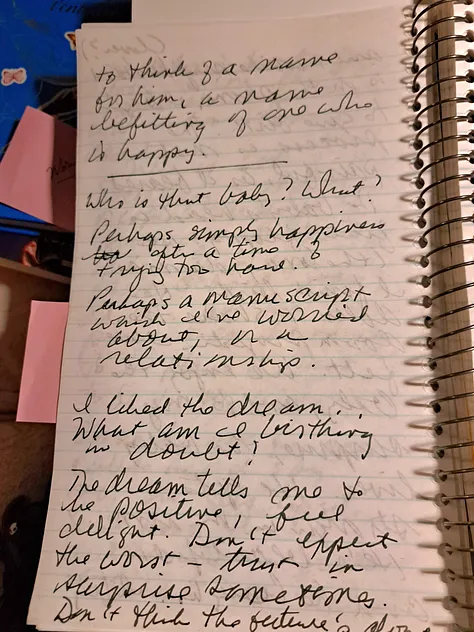
I was also writing poetry, with some pieces arising directly from those dreams and others emerging in response to visual art. I became fascinated by surrealism, and specifically the work of André Masson. Writing poetry fragments kept me in the music of language.
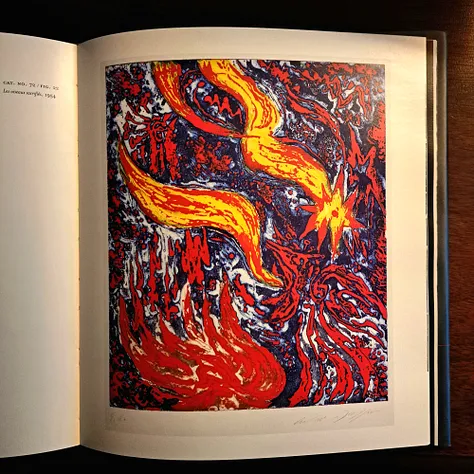
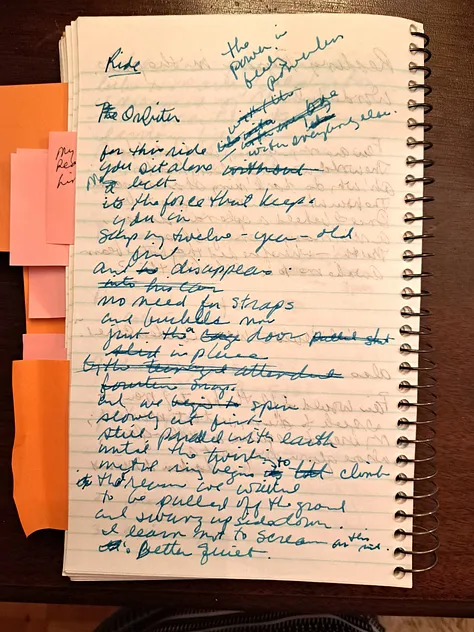
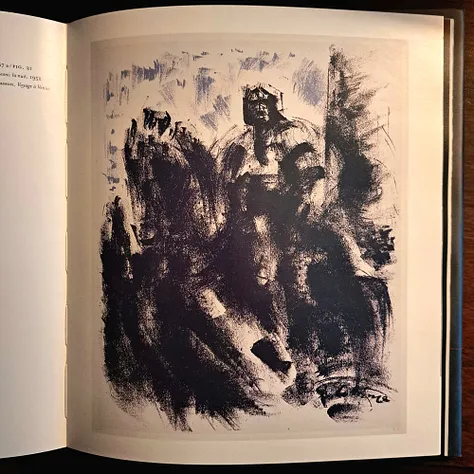
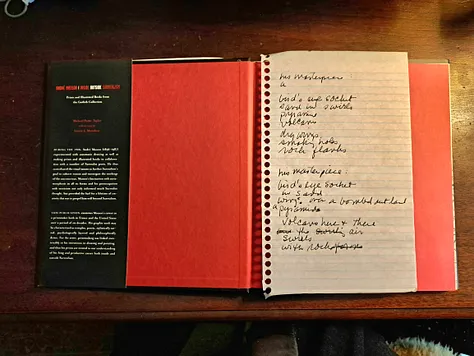
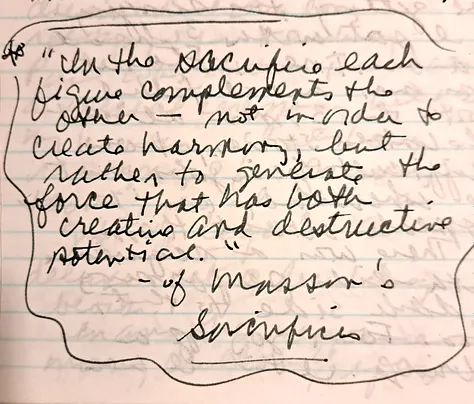

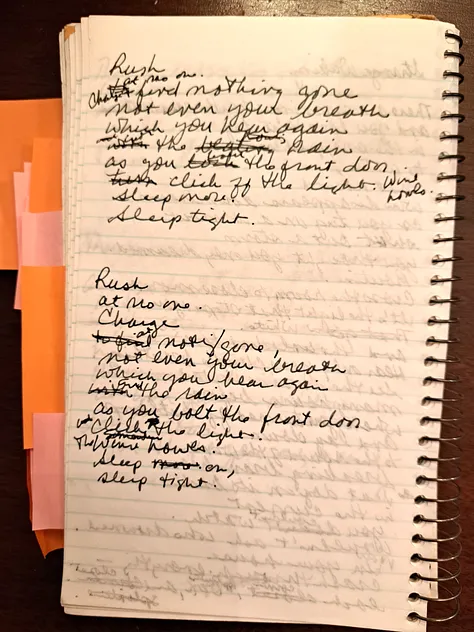
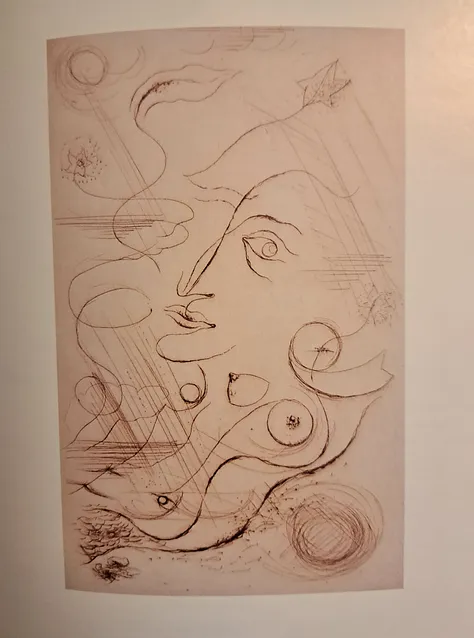
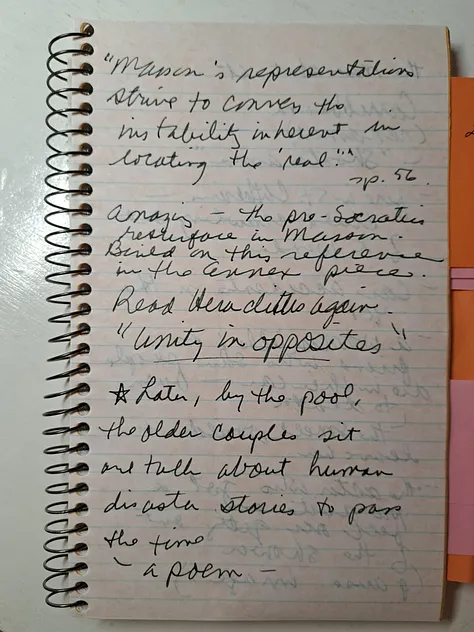
Writing memoir was another of my creative habits that summer. Devoting short essays to following and reflecting on memories gave me a way to process pain. I also poured energy into creating collages and at least one assemblage piece. And I rode around the city on my bike.
But it was the gradual opening to writing fiction that’s been most curious for me to see now, looking at my records from that faraway season.
The pages show me that my first story ideas came sporadically, in brief notes. Back in 2002, I jotted notes for three stories, in three different time periods, with three sets of primary characters. The stories intersected, and all of them had energy.
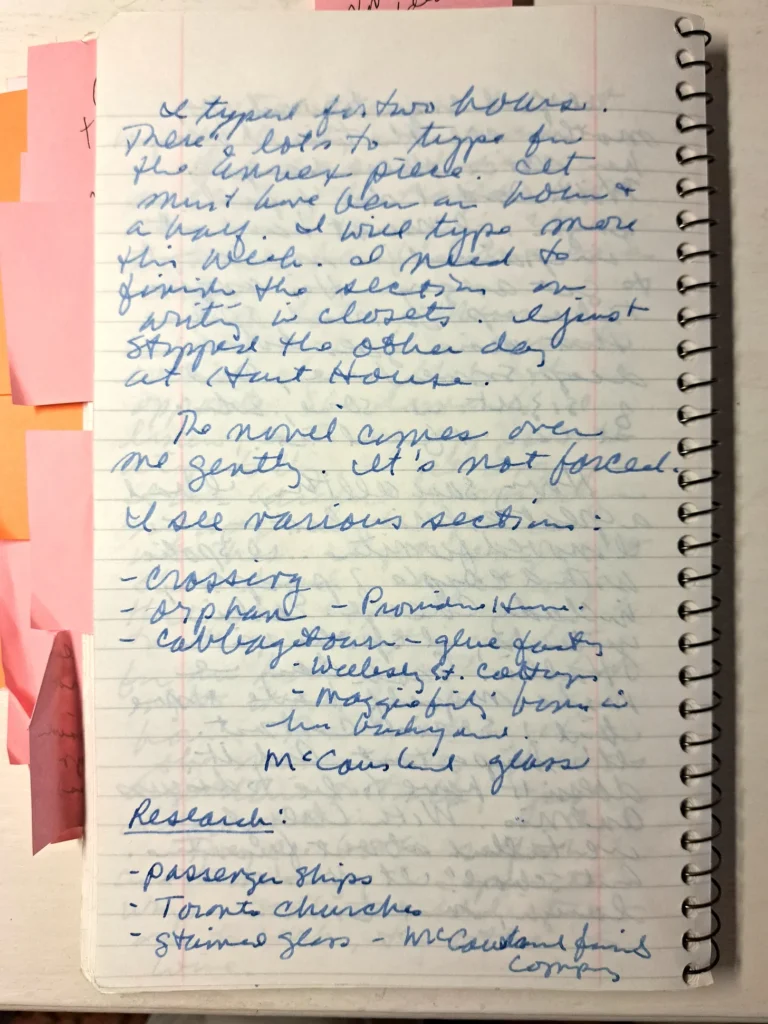
On my 2002 “To-do List for Life,” item number 1 was “Write a novel.” There were various other lists similar to that one in my journals. “Write a novel” was at the top of each one.
As of now, two of the stories that started coming to me back then are completed books. And I’ll likely write a variation of the third story.
So, what does that show about the dream-building process? And how does what I’ve shared apply to you?
DREAM-BUILDING KEY #1: Know What Interests You and Follow It
Do you give yourself time and space to explore what makes you curious and passionate?
That’s the most important place to start.
If you’re already giving lots of energy to your interests, fantastic. Keep going! If not, please know you’re in great company. Through my work as a coach, helping others to build their dreams, I often watch discomfort surface when I ask someone to talk about their true interests. Sometimes, answering the question requires them to take a trip back through childhood memories in order to remember. But I’ve never met a person who, deep down, didn’t know or discover things they love to learn and do.
In July and August of 2002, I was fortunate to have a six-week “teacher holiday” in which to freely journal. But I’ve combined journaling with various other work situations, too. And I don’t have teacher holidays anymore. There are ways of making journal time happen, regardless of your situation.
When are your unstructured times? Are you an early bird or a night owl? I encourage you to find a twenty-minute journaling period that works with your schedule and natural rhythms. For me, early morning journaling has always been best. It gives me a chance to care for myself first, before attending to my other responsibilities. It also gives me a space to write my intentions for the day.
Establishing a daily habit of journaling on your interests, and carrying that notebook with you through your day, can become a process of astonishing discoveries and realizations. Allowing yourself to know and feel your creative passions and desires, keeping records, and reflecting on what you’ve written, builds energy. Potency. I’ll say more on the importance of that in my next letter on Dream-Building Keys #2 and #3.
In the meantime, don’t be afraid to be multi-passionate! Discovering and growing your next dream may come to you through surprising channels.
As you’ve seen in this letter, before I decided to begin my first novel late in 2002, I allowed myself to explore various interests and modes of creative expression. Giving myself permission to draft poems and short, unpolished pieces of memoir, as well as my dreams, opened up expansive pathways. Listening to my intuition, taking walks and bike rides, going to art galleries and making notes, and creating wild collages—those were vital things I needed to nurture in the process of discovering and clarifying the more significant creative project that was on its way.
As I let go and surrendered to the cycle of the year—the fruition of the growing season and the dying away of summer—that’s when the information for my novel started coming through. Along with my love for research. In my journals, the poem drafts and memoirs stop and other notes take over—historical notes. Clues. The places I knew I had to go in the city in order to learn about the character who was emerging. A boy, newly arrived in Toronto from the north of Ireland, in 1882. A child orphaned on the crossing. I realized I wanted to explore addiction in the book, in a time period when the terms “trauma” and “addiction” weren’t really part of the vocabulary.
Then came stained glass. I began sitting alone in chapels, studying windows. Reading the stories behind them. One day I called a local stained-glass window-maker and asked if he could show me how windows were created in the late 19th century. Because my character Joseph was an artist.

In the dream-building process everything begins in the invisible. It begins by following and nurturing your interests. Writing your thoughts and making plans. Researching areas you love. Allowing new ideas through.
For me, it always begins with a journal.
Suggested Exercises
1. What are your interests? Your passions? If you already keep a journal, simply open it, put the date down, and write. If, up until now, you haven’t kept a journal, then I encourage you to find a new notebook, put the date down, and write. This can be your journal.
2. Write your “To-do List for Life.” What are the top ten things you’d love to be, do, or have? Give yourself the freedom to scrawl anything that comes to you. Let your dreams be big! Remember, in your imagination, you’re free, and this is a matter of heart and soul. Don’t judge yourself. Cultivate radical self-acceptance and just write. You may be surprised by what emerges.
3. To keep the journaling inspiration going, you may wish to read more on the subject. Here are a few books I’ve enjoyed over the years, each with excellent points and exercises.
· Writing Down the Bones by Natalie Goldberg
· The Artist’s Way by Julia Cameron
· One Continuous Mistake by Gail Sher
· Writing Down Your Soul by Janet Conner
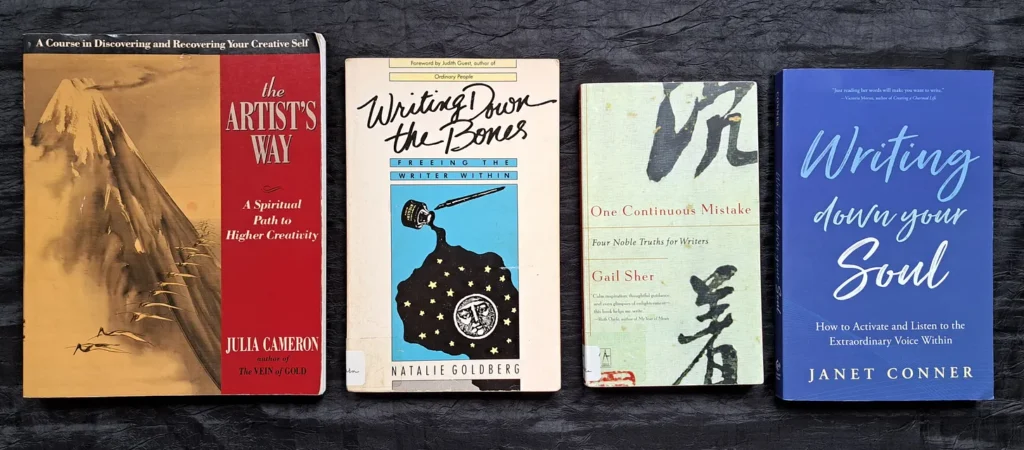
All of that said, the most important thing is to find a daily writing process that works best for you. So, if you choose to read books on journaling, take from them what you like and leave the rest. In the end, it’s your practice.
Please share in the comments anything from this letter that resonates with you. If you have questions, share those, too.
Next time, look for a letter from me on synchronicities and two other crucial keys to growing and realizing your dreams.