What To Do When You’re Tired and Stuck
Of course, it’s essential to rest. We all know how creativity works. If we push ourselves relentlessly and hard, the proverbial well runs dry.
But sometimes it’s difficult to give ourselves permission to rest. We may feel too busy—too attached to our responsibilities, agendas, and deadlines—to step away and do what it takes to let go and simply be. Has that ever happened with you? It has with me, or I wouldn’t be writing this.

Long ago, as a twenty-something new mother, a closet writer, and a devoted English student studying Edmund Spenser’s The Faerie Queene, I heard our professor use the term “places of restoration.” Those words stayed with me. Likely, I was yearning for such a place. The teacher was discussing the journey of the Redcrosse Knight, a character who, in the beginning of his quest, finds his true love, Una—“the one”—but quickly loses his way. Tricked by a wizard and deceived by a seductress who leads him to captivity, the knight wanders into Despair, before Una eventually helps to rescue him, and he journeys to the House of Holiness, a place of healing and restoration.
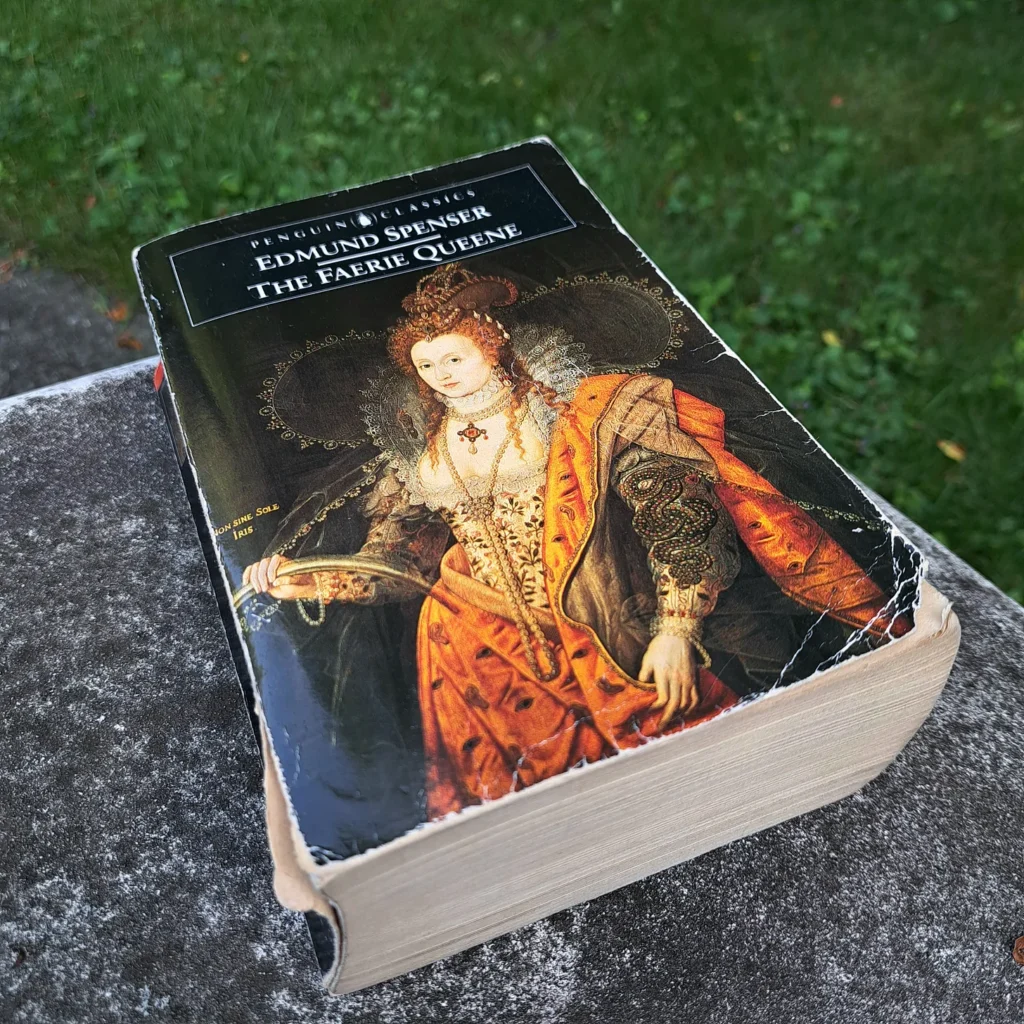
Spenser’s epic poem is a religious allegory. However, for the sake of this brief reflection on the creative process, I’ll leave religion out of it. Instead, I’m choosing to view the journey of a good but errant knight as an analogy for those times when we start out knowing what we love and long to serve—who we are, in touch with the truest part of us—yet wander from it. Ironically, this can happen when we think we’re doing the right thing.
What tricks us, deceives us, and leads us to despair?
There could be many answers to that question. But the ones I’ll look at, since they’re pervasive in our culture, are stress and overwork. Too much yang, not enough yin. Too much striving, pushing, grasping. Trying to be perfect.
In life coaching, we talk about perfectionism being a dream-killer, as are exhaustion and burn-out. We can become so involved in a creative project—writing a book, creating a show, starting a business, obtaining a degree, building a community, etc.—that instead of staying true to our own spacious, loving, and creative essence, we become rigid with perfectionism and seduced by the illusion that we have to give our whole lives over to our work in order to be “good enough.” What follows? Not only weariness and despair, but potentially greater threats to health and wholeness.
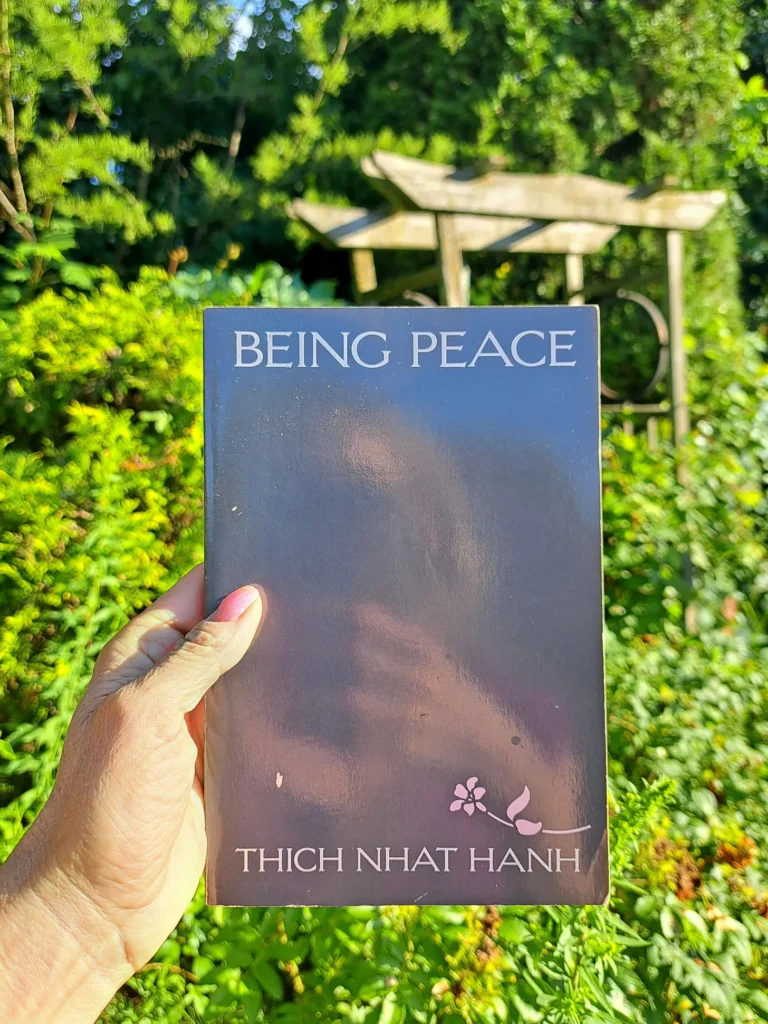
In my late twenties, I underwent relaxation-response therapy due to a level of stress that had irrevocably compromised my immune system. In my early forties, I learned meditation from a Korean Zen Buddhist master in Toronto—a practice of unhooking from stress and finding a place of restoration deep within. Studying the work of Thich Nhat Hanh became a staple for me throughout my years at the Zen temple. And I often carried Thich’s books in my purse, so that I could pull one out and read a sentence or two, anytime I wanted to feel instantly calmer.
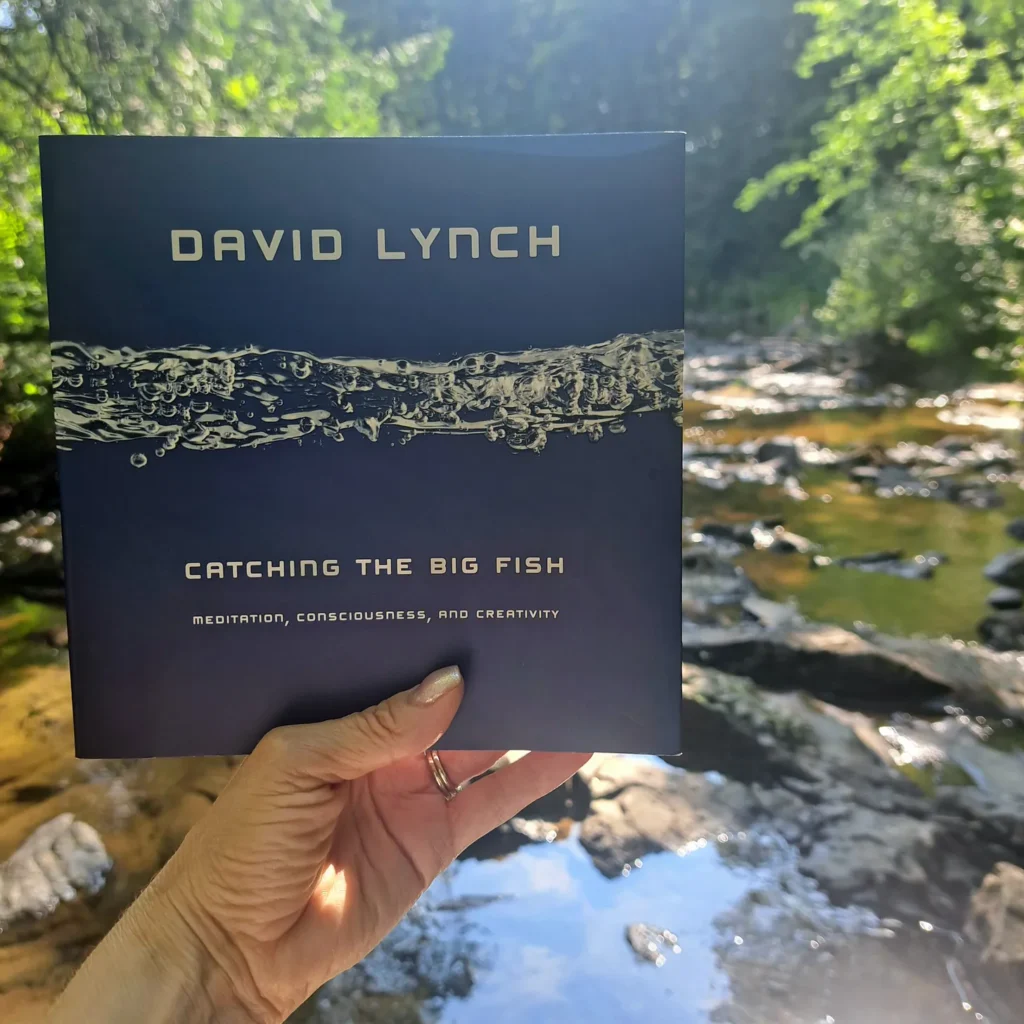
A decade ago, discovering David Lynch’s book Catching the Big Fish also changed my creative life for the better. Here’s a passage that gives you a sense of Lynch’s message:
“It’s good for the artist to understand conflict and stress. Those things can give you ideas. But I guarantee you, if you have enough stress, you won’t be able to create. And if you have enough conflict, it will just get in the way of your creativity. You can understand conflict, but you don’t have to live in it.”
Since 1973, Lynch has been a practitioner of Transcendental Meditation (TM). While it may seem counter to logic (as so many inspired and intuitive aspects of the creative process are), for decades, his way of coping with a full work schedule has been to take breaks and meditate more often in a day, rather than less:
“Usually, I meditate in the morning before breakfast, and in the evening before dinner. But when I’m shooting, I meditate before I go, and again at lunch. And if I haven’t meditated long enough, I’ll meditate when I finish.”
Over a year ago, I finally enrolled in TM training and began practising twice daily. One of the things it’s helped me with significantly has been getting better sleep—something that became a struggle in my late forties and early fifties. The ability to sleep well is key to a life well lived. I find TM also gives me added energy so that I can enjoy long and active, fulfilling days.
Refreshment
At any time in your creative process, you may wish to experiment at taking breaks and getting more rest. Perhaps nap, read, go for a walk. Or get up and dance, practise yoga, call a friend, sit outside and listen to the birds, etc. Whatever you choose to do for relief, and a little fun and refreshment, will unlock energy and greater ease.
My curiosity about the subject of the yin side of creativity led me to an article called 5 Important Forms of Creative Rest. From there I discovered a TED Talk by Stefan Sagmeister on the value of planning and taking a sabbatical. Check it out. Here’s another TED Talk on the importance of downtime by Alex Soojung-Kim Pang, who specifically recommends active rest in the form of exercise.
Visual Reminders to Take Breaks
In the spirit of underscoring how vital it is to take breaks and rest, here are a few blogs I found with related quotations. I enjoy posting inspiring messages in my space, and you may find something here that resonates so much you’d like to copy it for your wall or screensaver.
· 20 Quotes to Remind Us To Stop and Rest
· 70 Relaxation Quotes To Help You Destress
· 14 Quotes about Rest & Being Kind Enough to Give Yourself a Break
A few of my picks:
“When you rest, you catch your breath and it holds you up, like water wings…”
—Anne Lamott
“It’s precisely those who are busiest who most need to give themselves a break.”
—Pico Iyer, The Art of Stillness
“If you get tired, learn to rest, not to quit.”
—Banksy
But what about those times when we’ve committed to doing our creative work, yet don’t feel up to it?
That happened with me recently, on a Saturday morning, when I wanted to stay true to myself and write poetry. Writing poetry doesn’t feel like work to me. While not always (or even often) easy, it’s a process that brings me joy and gives me energy. Yet on that particular morning, I felt tired and empty.
First, I took the pressure off myself to write anything of quality, let alone poetry. Then, I remained committed to simply moving the pen.
When I’m unsure of where to start, sometimes I to turn to John Fox’s book, Finding What You Didn’t Lose. A poetry therapist, Fox provides rich prompts for introspection and surprise.
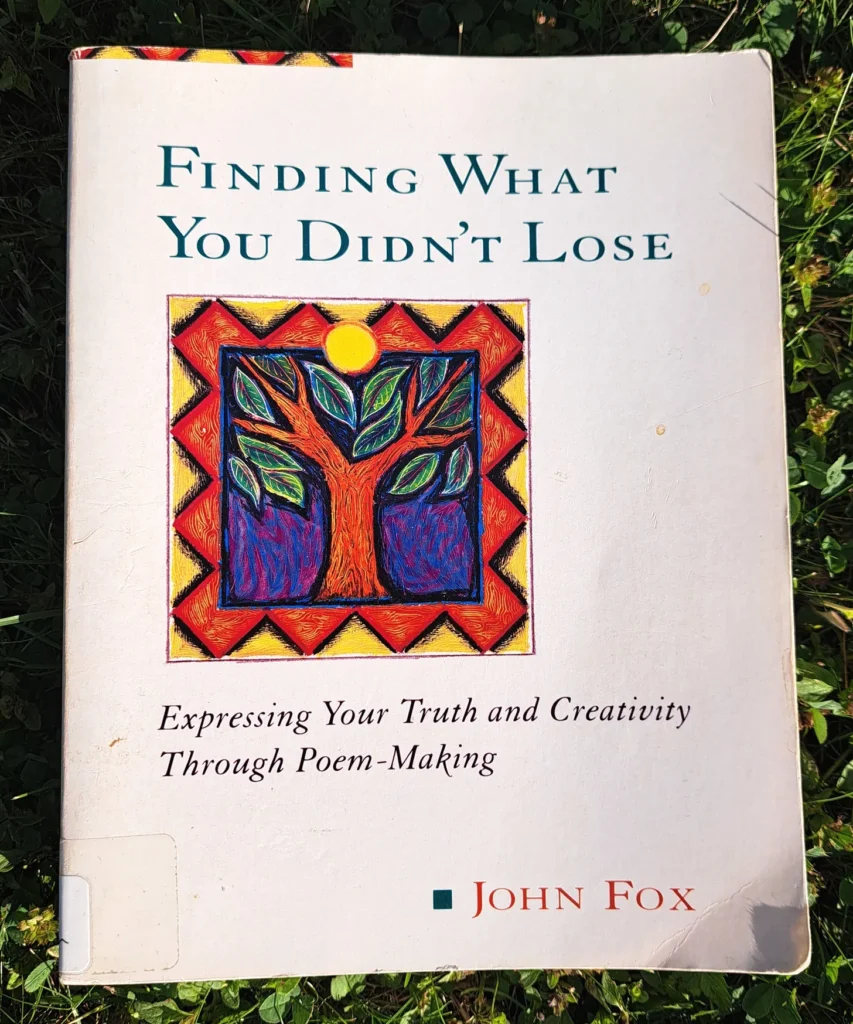
An epigraph to his chapter called “Gold in the Attic” sums up my feelings from that morning:
. . . my jaws ache for release, for words that will say anything. I force myself to remember who I am, what I am, and why I am here . . . —Philip Levine
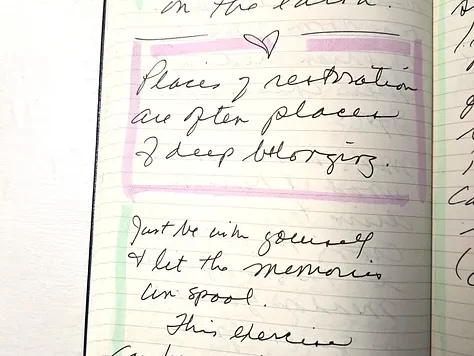
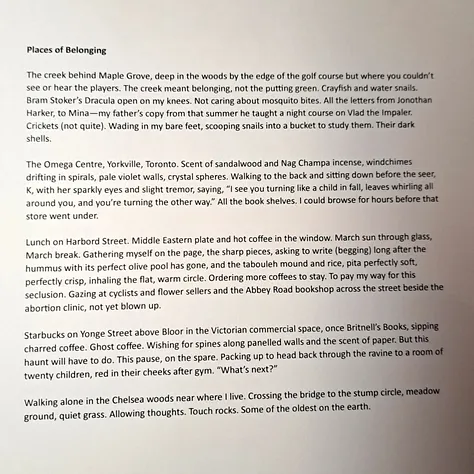
On that particular Saturday, I started with Fox’s exercise called “Entering Images—A Poetic and Spiritual Practice.” Instead of choosing images at random, I invited old places of restoration to fill my mind. Sitting at my small wicker desk in the corner of my office, I let myself journey back through time to physical spaces where I’ve gone in order to relax and find balance.
Instead of jotting “Places of Restoration” as a title, I wrote “Places of Belonging.” And it occurred to me that places of restoration truly are places of belonging. They bring us home to ourselves.
I’m not talking about churches, mountaintops, and vast canyons. Over the years, certain coffee shops have served as “houses of holiness” for me, freeing me from ruts and even despair.
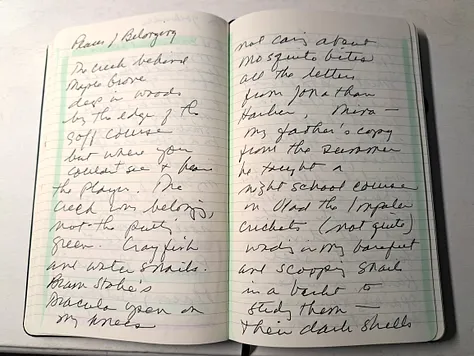
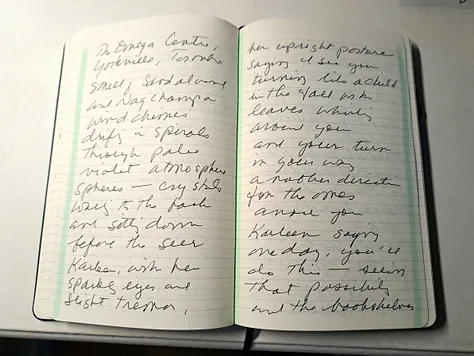
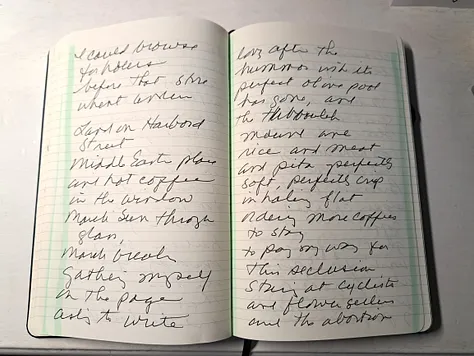
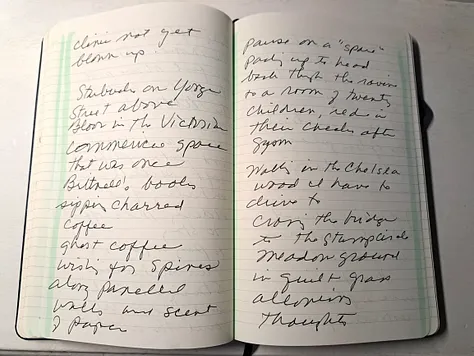
Where are your places of restoration?
Just writing them down, describing the details of those places, may lead you to the wonder of finding a restful sanctuary in your own mind and heart.
And who knows? Maybe something you write will become a poem. Maybe not. But the act of bringing attention to your unique sacred spaces, through writing, can be a homecoming.