On Your Wish List? Here are a Few…
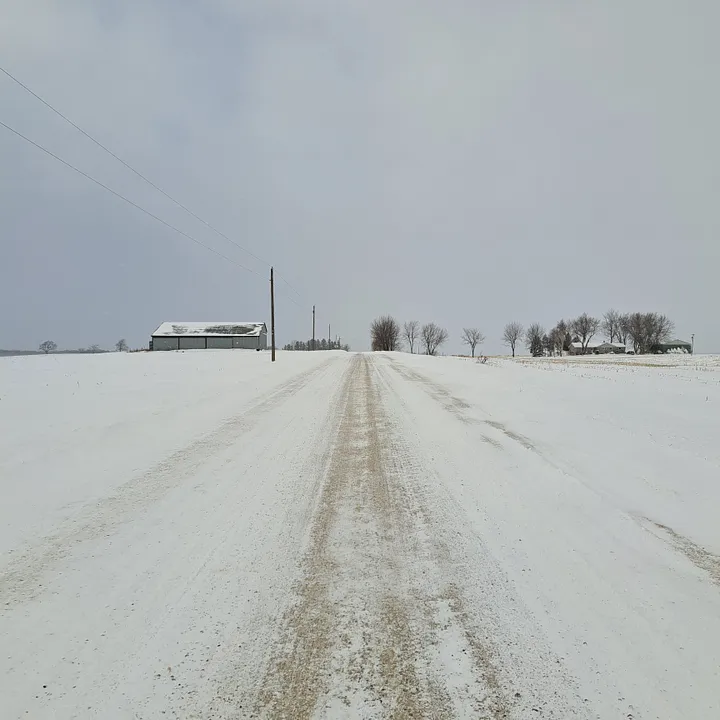
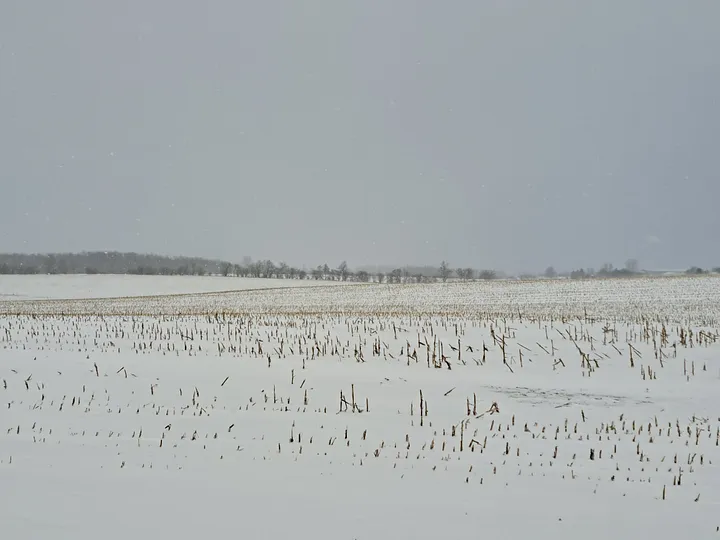
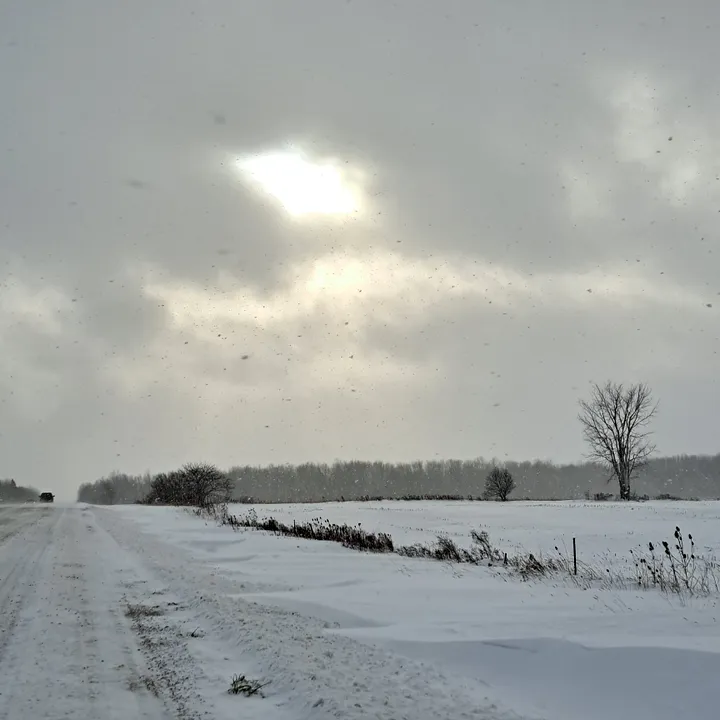
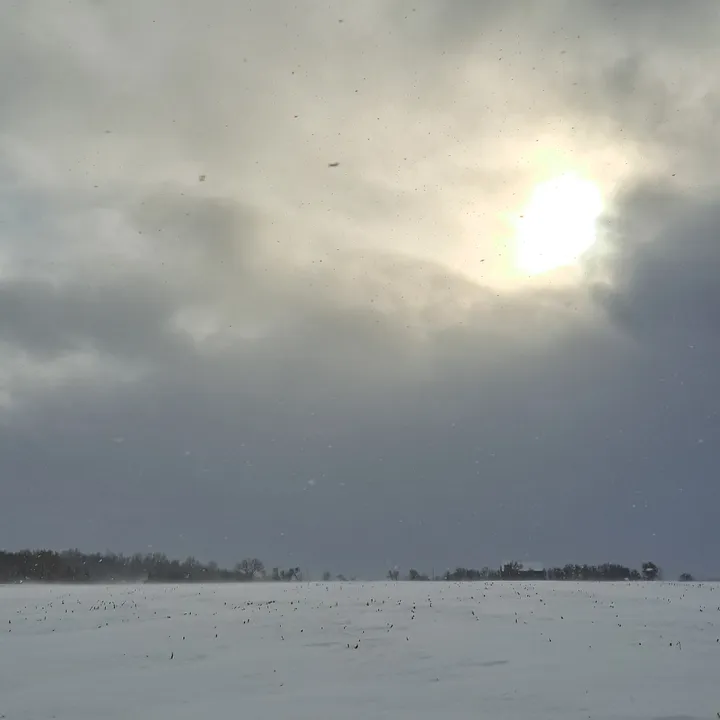
I believe many of us who love ghost stories do so because they remind us of the mystery in which we live. And never is the year more tinged with mystery than now, at this dark time—the long nights and short days when snow settles and blows, and swirls, and settles again, transforming landscapes. Our sense of place.
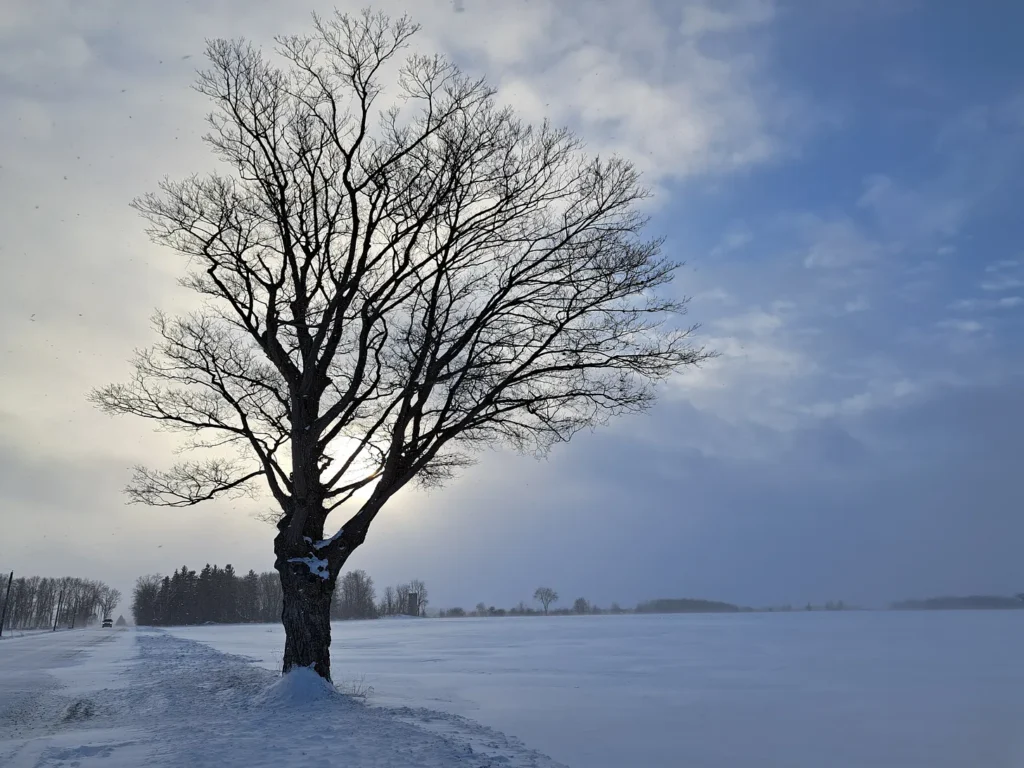
Last week, my husband and I travelled throughout Ontario, visiting family and friends. Spending time with my stepmother brought us to Stratford, which has been a second home to me all my life. Both sides of my family have ties to that small 19th-century city. My father was raised there and moved back with his second wife in his older years. He, his parents, and my paternal aunt and uncle all lie buried in Stratford’s Avondale Cemetery. On my mother’s side, five generations have been laid to rest in that same burying ground, including a great-grandmother who held me when I was an infant and with whom I’ve always felt close, despite our different planes of existence. But graveyards and faded photographs aside, my memories of Christmastime are bright and filled with colour.
I can easily feel joy, albeit with a twinge of longing, recalling the Yuletide gatherings of my childhood. Each year, the family on my mother’s side visited our little west-end Toronto home—Nana arriving days ahead to help Mum prepare, my great uncle with his rumbly-rich bass voice singing carols with me at the piano in the basement on Christmas Eve, and my maternal Grampa, uncle, and aunt all pulling up the next morning, after my brother and I had torn through our stockings and breakfasted on chocolate, candy canes, and variety-pack cereal. On Boxing Day, we started over again, hoping for clear roads before that seemingly endless (two-hour) drive to see Dad’s side of the family in snowy Stratford. More feasting, more shiny gifts. And then, on the big carpet in my grandparents’ living room, more ripped wrapping we crumpled with busy hands before pitching it into the fire.
More sparkling tree lights, too. Familiar voices. Laughter.
There’s a difference between choosing to revisit our loved ones in memory and feeling haunted. I like to believe that the spirits of my departed family members still come visiting at Christmastime. It’s a sense I cherish.
But there’s another part of me that yearns to go beyond festive, familial reminiscence into eerier places. Do you have that part, too?
The Victorians did. For them, the darkest moment of the year was the perfect time for ghost stories and other tales of the uncanny.
Last week in Stratford, a Victorian town, after scrolling through the many titles of TV programs my stepmother had recorded, the three of us chose to watch a 2012 British film version of Charles Dickens’ The Mystery of Edwin Drood. In one sitting, we took in both episodes. Adapted by screenwriter Gwyneth Hughes, it’s a story of obsession and betrayal, centring on the character of John Jasper, a choirmaster and opium addict, who dreams repeatedly of killing his nephew, young Edwin Drood, and seducing Drood’s fiancée. When the nephew suddenly disappears, Jasper becomes the suspect of foul play. It’s sinister and suspenseful, and I recommend it.
The whole time, as my husband and I watched from the couch, with my stepmother on one side, and Dad’s empty La-Z-Boy on the other, I was thinking about Dickens—that quintessential Christmas writer—and thinking particularly about the final five years of his life. How Edwin Drood was the author’s last story, unfinished at the time of his death in 1870. On my phone, I searched for more information, discovering that Dickens had drafted only six of the twelve planned installments. No one will ever know how he’d intended that novel to end, though various writers have produced second halves, the most celebrated being Sir David Madden’s 2012 completion.
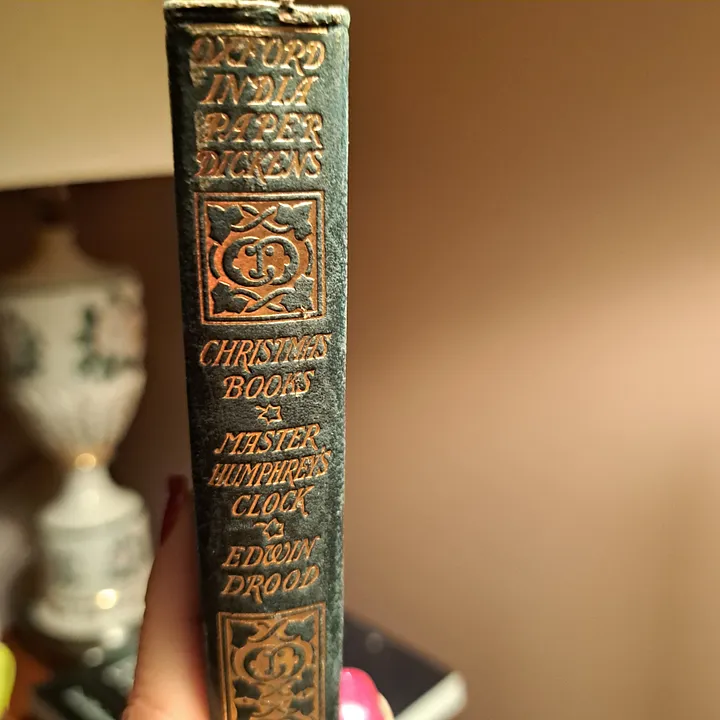
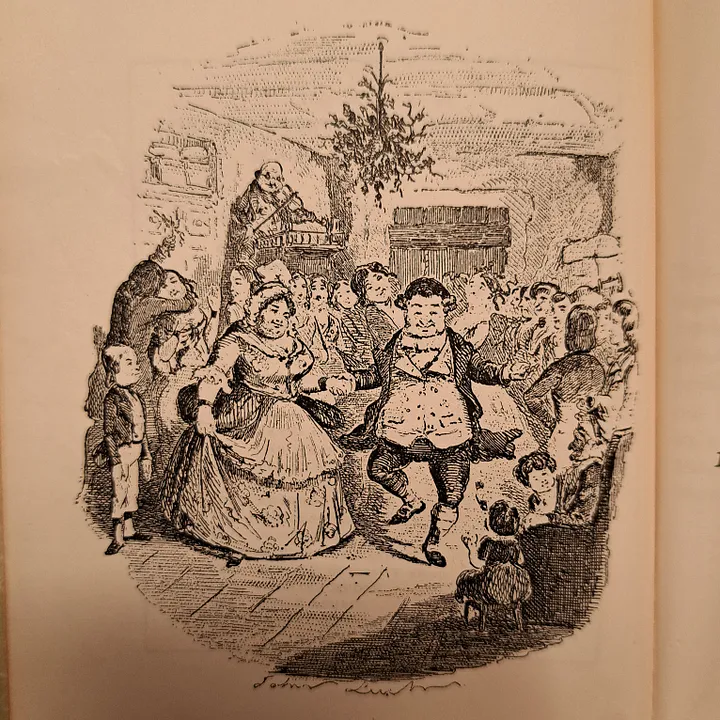
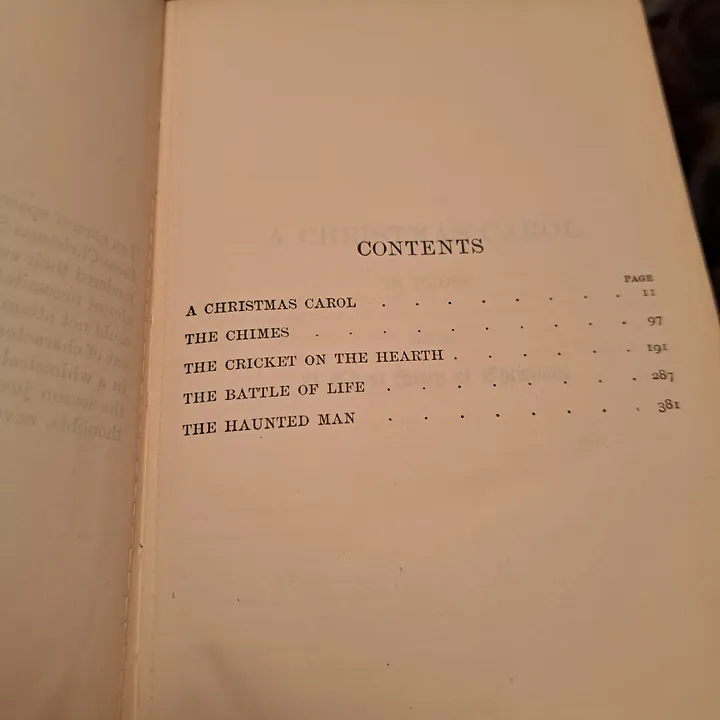
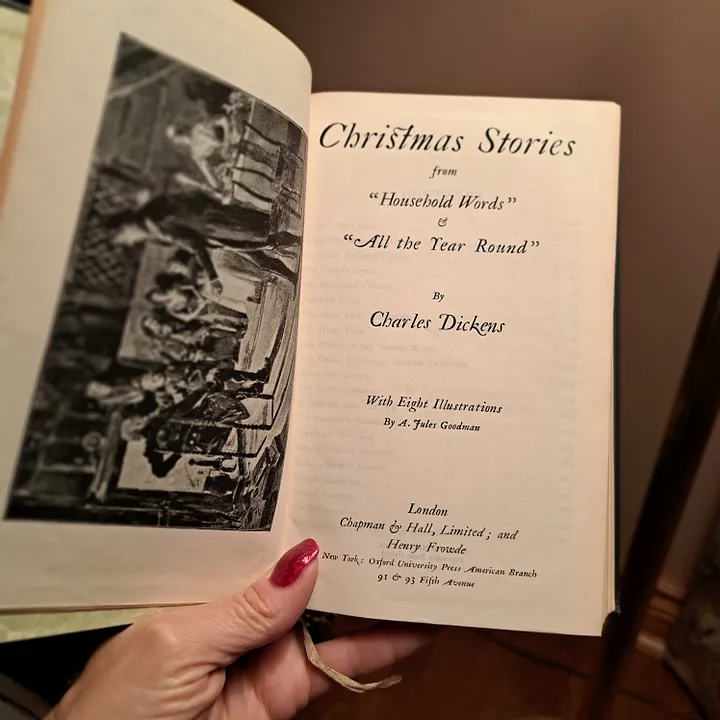
So often the name Charles Dickens conjures thoughts of Christmas due to his most famous ghost story, A Christmas Carol. With its loveable characters, haunting atmospheres, hopeful messages, and redemptive arc, the 1843 story of Ebenezer Scrooge remains an undisputed classic. However, I wasn’t yearning to revisit that novella while in Stratford, but a different work—lesser known, and to my mind, one of the better uncanny tales I’ve come across. Like other ghost stories of the Victorian age, Dickens’ “The Signalman” was originally published in time to be read at Christmas. First appearing in the 1866 Christmas edition of All the Year Round, it’s a horror mystery. Here’s a mostly spoiler-free summary:
“The railway signalman of the title tells the narrator of an apparition that has been haunting him. Each spectral appearance precedes a tragic event on the railway on which the signalman works. The signalman’s work is at a signal-box in a deep cutting near a tunnel entrance on a lonely stretch of the railway line, and he controls the movements of passing trains. When there is danger, his fellow signalmen alert him by telegraph and alarms. Three times, he receives phantom warnings of danger when his bell rings in a fashion that only he can hear. Each warning is followed by the appearance of the spectre, and then by a terrible accident.”
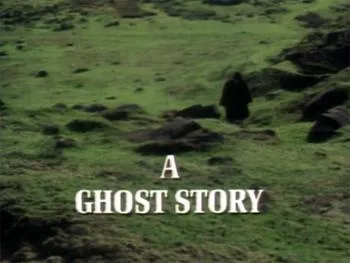
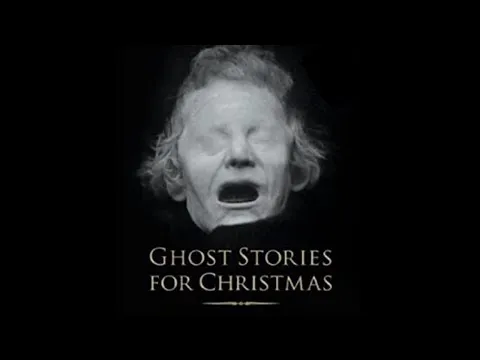
Several years ago, my husband and I discovered the 1976 film version, The Signalman, which I highly recommend. You can watch it here. In fact, between 1971 and 1978 (and again, sporadically, since 2005), the BBC has produced a whole series for television called A Ghost Story for Christmas. Each production is based on a classic, gripping work of short fiction. Director Andrew Davies’ The Signalman features actor Denholm Elliot as the haunted railway signaller and Bernard Lloyd as the visiting narrator who hears the man’s accounts of chilling visitations.
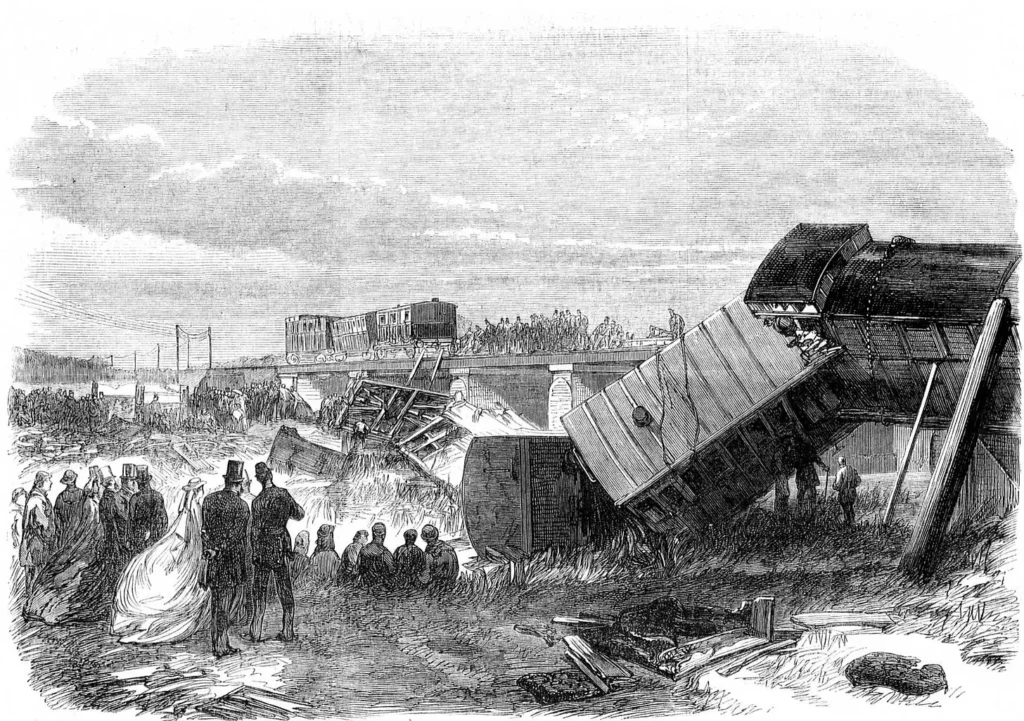
Like many of his characters, Dickens was not unfamiliar with strange happenings, obsession, or catastrophe. His own near-fatal train accident, one year prior to the creation and publication of “The Signalman,” undoubtedly prompted him to write that short story. The Staplehurst rail crash occurred in 1865, while Dickens was travelling with actress Ellen Ternan, long supposed to have been his mistress, and her mother, Frances Jarman. In recent years, scholars have come to believe that Ternan was actually the writer’s illegitimate daughter. In any case, the accident caused the deaths of ten people and injured forty others. In a train car suspended at the edge of a viaduct, Dickens showed courage and selflessness in helping to free other crash victims before himself, including both Ternan and Jarman. He tended to the wounded and the dying. However afterward, the author suffered what today we would call post-traumatic stress disorder. Prone to bouts of terror and extreme anxiety when travelling, he never fully recovered from the derailment. Dickens died five years to the day after the Staplehurst crash.
If you’re intrigued by this piece of history and by the short story that came of it, I also recommend listening to the audiobook version of “The Signalman,” read by Sam Mendes. It’s wonderful. And you can find a special paperback edition from Canadian publisher Biblioasis. Check out their entire line, “Seth’s Christmas Ghost Stories,” here. The Biblioasis series includes many great titles, including one of my gentler favourites, “The Doll’s Ghost,” by F. Marion Crawford, also available in audiobook format.
Here are more spooky seasonal collections you may enjoy.
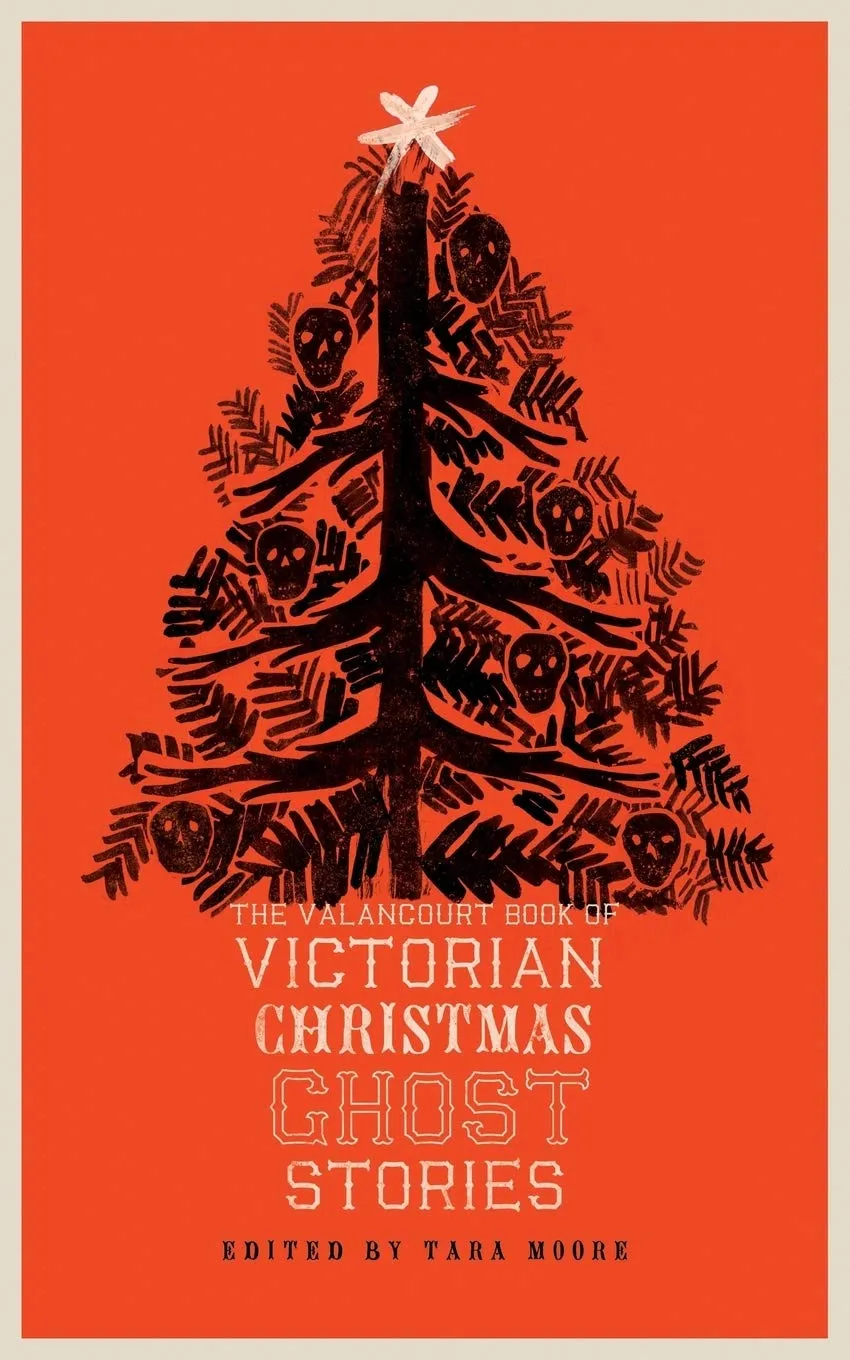
For lovers of haunting tales of old, here’s The Valancourt Book of Victorian Christmas Ghost Stories:
And of course, there are numerous Dickens Christmas collections, ever in print. If you’d welcome ghost stories set at Christmas, written by authors ranging from classic to contemporary (and yes, including women), check out Tim Martin’s 2017 collection, Ghosts of Christmas Past:
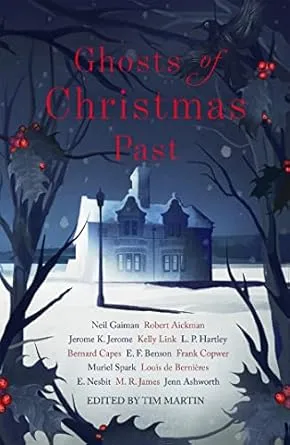
I’ve begun reading Martin’s compilation this week. So far, Edith Nesbit’s “The Shadow” and Louis de Bernières’ “This Beautiful House” have kept me up past my bedtime. Here’s an excerpt from the book’s introduction that seems an apt way to draw this letter to a close:
“We may think of ghost stories as a Victorian tradition, but the habit of telling spooky tales at the end of the year goes back a long way. Centuries before Dickens and his contemporaries began writing for a mass market fascinated by spiritualism and the occult, workers and families were gathering in the long nights to work, talk and swap tall stories of magic and horror… In the trough of the seasons, where the days wither and the nights stretch out, our old nocturnal anxieties start to prickle again—and there has always been a delicious Schadenfreude about the ghost story, with its implicit contrast between Them Out There (hag-ridden, bedevilled, plagued by horrors) and Us In Here by the fire with our friends.”
Do you read ghost stories at Christmas? If so, please share your recommendations. If not, let me know what genre you most love to read or view at this time of year.
I hope that this season, no matter your tradition, you’ll find good company—including tales that light you up during the long, cozy nights.
Thank you for being here.
Warmly,
Robin