Life Edits: A Change in Plan
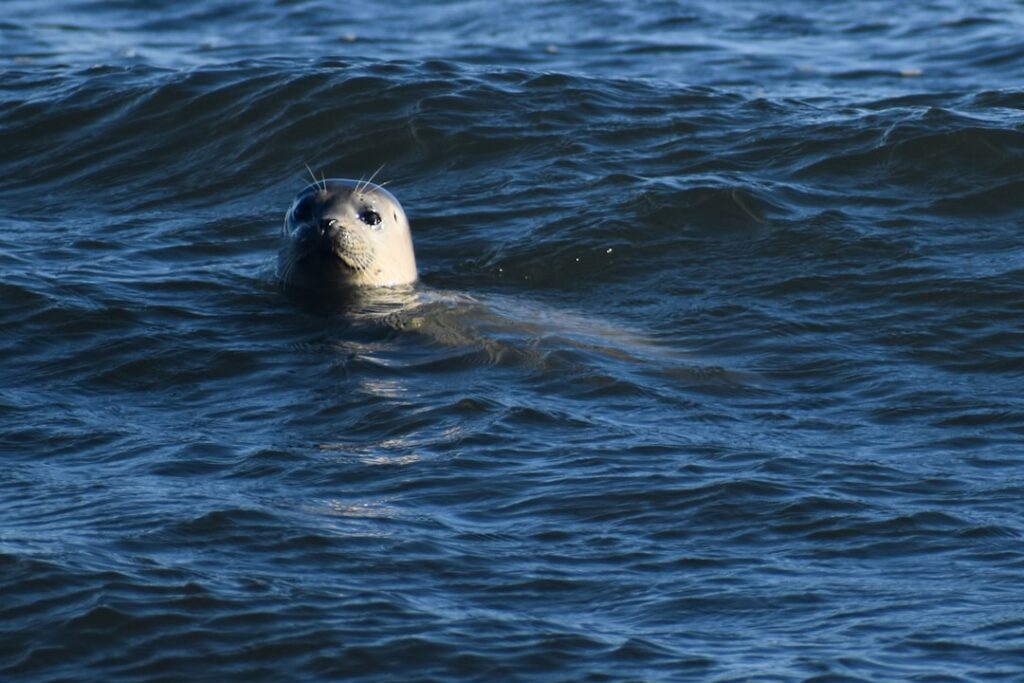
“In the story, the old seal rises out of its own element to begin the call. It is a profound feature of the wild psyche that if we do not come on our own, if we aren’t paying attention to our own seasons and the time for return, the Old One will come for us, calling and calling until something in us responds. . .”
Dear Fellow Dreamer,
Staying true to a vision is not the same as becoming attached to one particular path to its fulfillment. Sometimes, in order to listen more closely to what is seeking to emerge, we have to release our initial ideas. When I say I’ve felt discomfort in changing plans before, it’s an understatement. I’m feeling it now. This letter is about deep listening and letting go. It’s about editing—not only on the page, but in life. The gifts of the Selkie.
On Releasing Creative Attachments: A Case Study
When I wrote my first novel, the project began in my mind not as a trilogy but as one multilayered work—stories set in different times at once, with shifting narratives and central characters linked by blood. I wanted to explore connections and disconnections across time. I wanted the work to become a family saga, an ancestral mystery. What became clear after many scrawled pages, however, was that I couldn’t manage all those layers in a single book. The prospect was too unwieldy. Instead of stalling or giving up and blaming myself for not pulling it together, I realized (perhaps by the intervention of some merciful angel disguised as a flash of insight) it would be best to adjust my course. I needed to focus on one main character’s journey, in one era at a time. So, I tucked much of the initial writing away. Releasing those early pages was uncomfortable. Even painful. But like any good editing process, it was liberating.
After my last letter to you, I confess I felt the familiar heart-heaviness of having taken on too much. Attempting to create a series of recorded chapters—a whole audiobook for a work I finished years ago—during a season when I’m drafting the beginnings of a third novel and preparing to launch my second, would mean too great a divide in focus. Out of genuine enthusiasm, I hadn’t wanted to see that. But of course, a part of me had seen it. And I’d pushed back against that part prior to sending you the letter. My apologies. As I’ve said before, connecting with you via this newsletter is both a practice and an experiment. One with inherent ironies—reminders that without humility and a sense of humour, we’re lost.
In this life, I’ve had to learn the lesson of narrowing and deepening my creative focus many times. Usually, I’m pretty good at sensing the difference between the discomfort of facing challenges meant to be tackled and that of yielding to an inner voice saying, “Not this way. There is another way.” While the ego wants us to believe we can do it all, the soul remains firm in its purpose. Intuition speaks in a calm voice. Tension only follows when we resist that inner voice.
In transformative coaching, we learn to distinguish between goals that look good on paper (the ego’s handiwork) and those things we more deeply desire. One thing I desire is that someday all of my novels will have compelling audiobooks, whether or not they’re narrated by me. If I’m to record a book this fall, it would be best to narrate River of Dreams—a stand-alone work of fiction different from anything else I’ve written, and due out next year. Finding a studio for that project is on a to-do list. But honestly, what I desire even more deeply is the flexibility and spaciousness to delve fully into a third novel—a process requiring the preparation of space and re-establishment of a foundation. When a writer finishes a book, it’s a little like having our house carried away intact by a tornado. Not only did we envision and build that house, but we lived inside it for a very long time. Suddenly, we have to build again. And yes, the tools are here and available. But we need to prepare the ground. Each book is different. Each demands a different process.
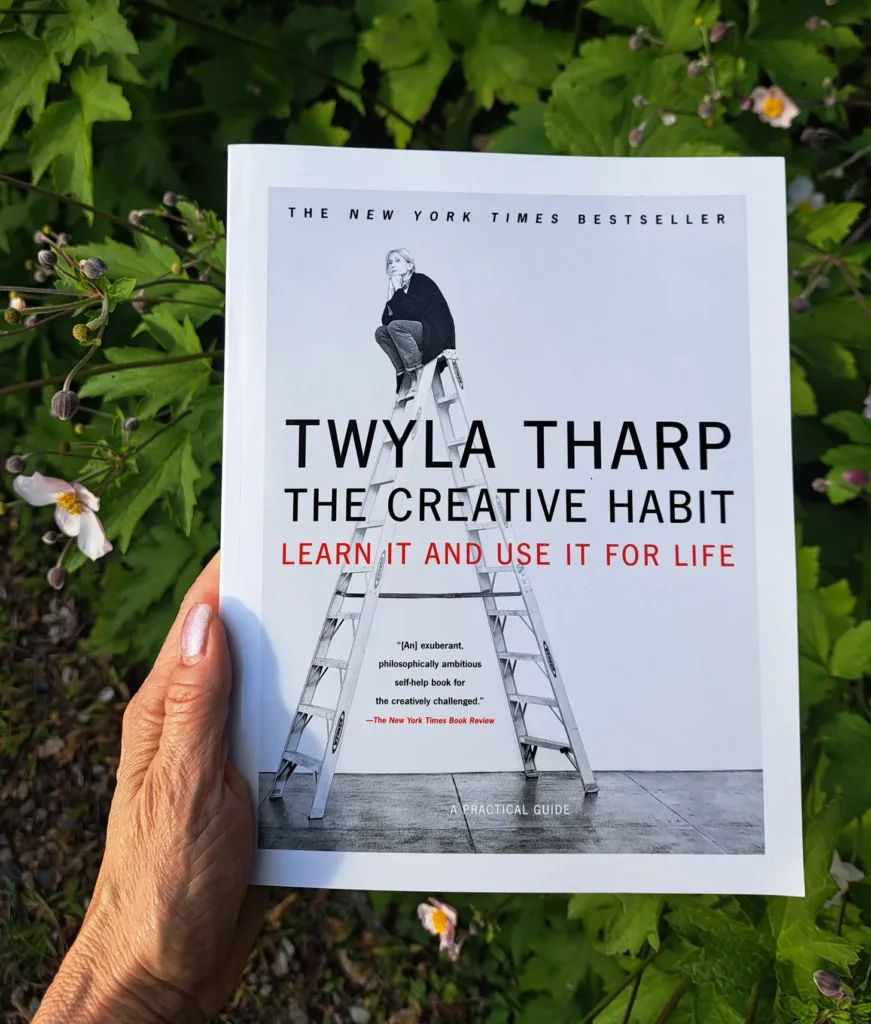
One of my reads this month has been Twyla Tharp’s The Creative Habit, where these words leapt:
“In the end, there is no one ideal condition for creativity. What works for one person is useless for another. The only criterion is this: Make it easy for yourself. Find a working environment where the prospect of wrestling with your muse doesn’t scare you, doesn’t shut you down. It should make you want to be there, and once you find it, stick with it.”
Too many competing demands do not make for a good working environment. There is nothing easy about an overly full schedule. And so, I’m choosing—and also offering—Henry David Thoreau’s timeless directive as a compass this fall: “…simplify, simplify.”
I have simplified upcoming plans at Awakening Wonder. Please see the bottom of this post for details.
But first…
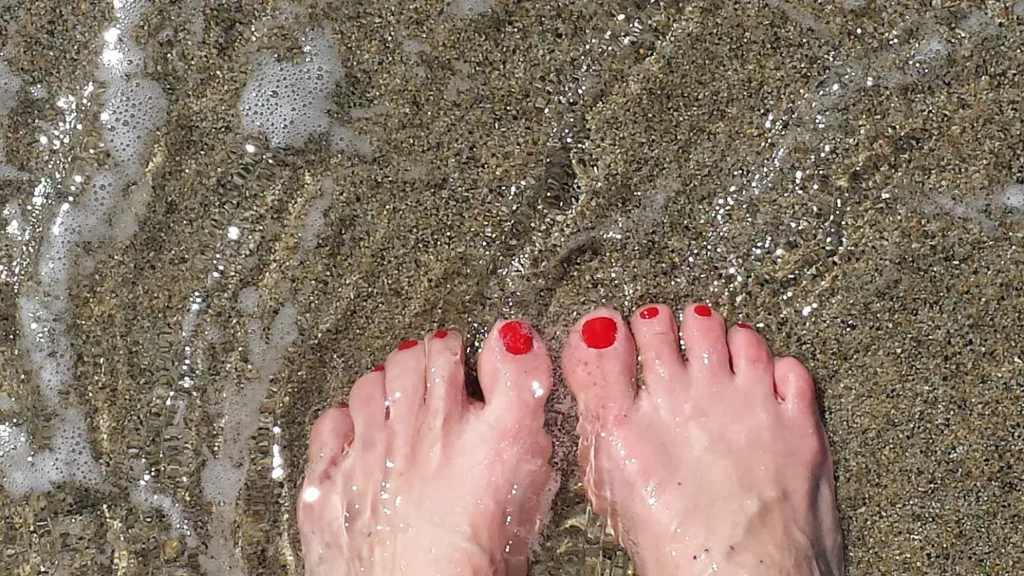
Seal Folk
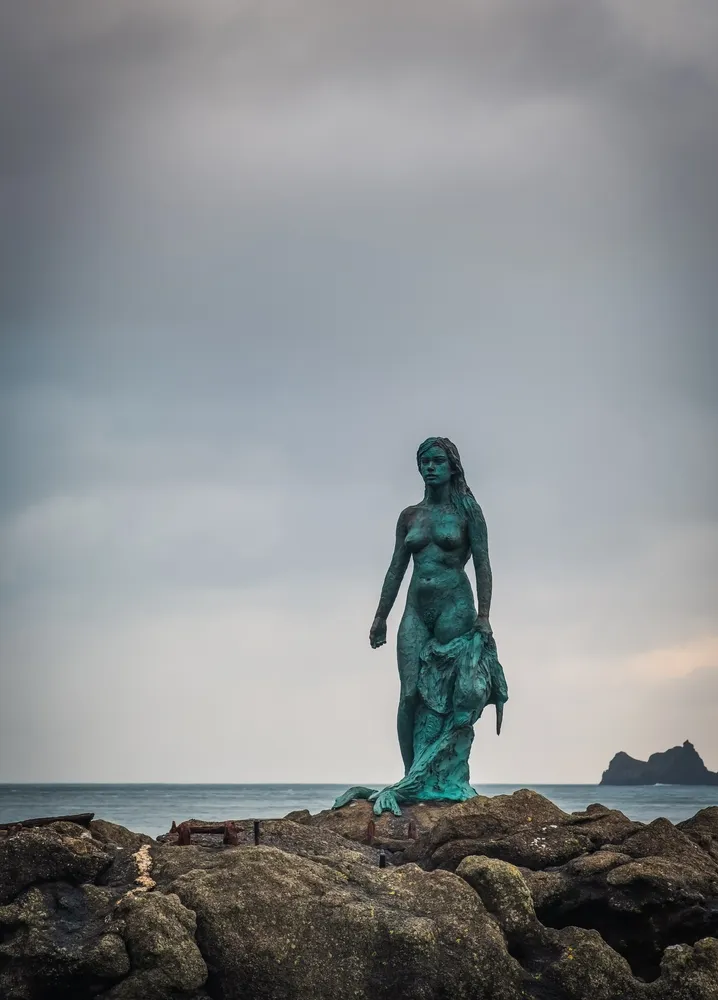
One of my favourite myths is that of the Selkie, a woman who is part seal and belongs in the element that gives her life: water. Yet out of love—not for social conventions, but for the human beings behind those conventions—she attempts to live on land. At least, that’s one version of the story. There are others. The shape-shifting creature who sheds her skin in order to walk upon the Earth may have originated in the Northern Isles of Scotland, but variations of her story also appear across other coastal regions including Denmark’s Faroe Islands, the West of Ireland, and Iceland. And of course, the Selkie myth continues to reach audiences internationally through the arts, including films such as The Secret of Roan Inish (John Sayles, 1994) and Ondine (Neil Jordan, 2009). How many of us have watched those movies multiple times, drawn in by the seal woman’s plight? By a yearning to feel with her, and with those she loves? Have you?
In my fiction, I think I’m always writing about seal people.
In preparing this piece, I came across several explorations of the Selkie myth and how it reverberates in the psyche, including one I particularly like by Sidian M.S. Jones at MyMythos:
“The Selkie in modern personal mythology is the patron saint of the divided soul, the archetype for anyone who lives with one foot in the mundane world and one in the world of deep, intuitive magic. It speaks to the tension between responsibility and wildness, domesticity and freedom. To have a Selkie mythos is to feel the constant tidal pull between what is expected of you and what your spirit yearns for. It is the story of profound adaptability, of making a home on a foreign shore, but it is also the story of a persistent, sacred melancholy, a homesickness for a part of oneself that has been misplaced, hidden, or surrendered.”
Do you relate?
For many of us who are highly creative, attempting to go deep into the work that calls and guides us, and also to meet the practical demands of daily life, elicits the pain of being tugged—almost torn—by opposing forces. Our culture rewards extroversion, high visibility, and consistent performance. Yet to do our best creative work, often we need to slip below and beyond the surface world. Regardless of one’s gender, when we feel the Selkie’s yearning arise in us, the experience is nothing less than a pull to oceanic depth, emotion, mystery, the unknown. Because we also feel a pull to human connection and interaction—to being of service—it can be difficult sometimes to find harmony.
But of course, while many of us may feel divided and deeply moved by the seal folk mythos, you and I are not Selkies. We are imperfect human beings who, each day, whether we like it or not, have opportunities to learn and grow.
“The Selkie myth suggests that true wholeness does not come from choosing the land or the sea, but from honouring the call of both. It is about learning to live with the beautiful ache of a dual nature, and understanding that this very division is the source of your unique depth, empathy, and grace.”
—Sidian M.S. Jones
In the spirit of embracing the beautiful ache of a dual nature, I’d like to share a few recent Substack posts that have helped me navigate discomfort this month.
The first is by writer and coach, Cathy Jacob. If you don’t know her publication The Slow Sip, I recommend checking it out. In a piece called “A Slow Sip Antidote to Tsunami September,” Jacob grapples with setting her one-or-two-word intention for the fall season. Her initial impulse is to make it “giv’er”—a Maritime rallying cry meaning “to gear up, to put the pedal to the metal. To make those tires squeal and go.” Yet upon reflection, she changes course: “I wondered, what if I retired ‘giv’er’ as an intention and played with ‘Let it come. Let it be. Let it go.’ What would remain? That could be interesting. It could take a little courage.’” I hope you’ll appreciate Cathy Jacob’s wise and wonderful exploration as much as I did.
Another welcome treasure was a quotation I discovered at poet and author Amanda Earl’s publication, Amanda Thru the Looking Glass. Each Saturday Earl curates “QOTW,” a list of quotes she’s gathered for the week. So many gems! These words from Jonny Thomson and Big Think caught my attention. They’re from his interview with Romanian-American poet Maya C. Popa, in an article called 3 ways to find and invite more wonder. Wonder is like a guest you haven’t planned for.
“The word wonder comes from the cognate ‘Wunder,’ or wound from the old German,” Popa tells me. “So I thought that’s so interesting. Wonder is what wounds us, enters us. And that’s what a wound is: It’s a breaching of a layer.”
Popa goes on to say that “the layer being wounded is not your body, but something far deeper. It’s the mask we present to the world, and the part of ourselves that insists on dividing, cutting, and compartmentalizing the world.” Thomson equates this part with left brain thinking: “It’s the rational, calculating, busy, busy, busy part of yourself. And wonder is what wounds it…
“Wonder is at the end of letting go.”
With that in mind, here is my simplified fall plan for Awakening Wonder:
Write to you from my heart, often a couple of times a month. And in whatever form that takes. Hold intrigue, enchantment, and inspiration paramount. Stay open to the fantastic and life’s bigger questions.
If you’d like to join me for an informal Zoom gathering on the topic of ancestral stories and ghosts, please let me know. This would be a warm and evocative writing session where the aim is to have fun, and to leave amazed and inspired, with new ideas crackling. Open to all. If a few people come forward, I’ll go ahead and schedule a Saturday afternoon later this fall. But there’s no pressure. As we say in dream-building, I’m holding this idea with an open palm.
Happy month’s end and new beginning. Look for my next post two Fridays from now.
As always, thank you for being here.
Love,
Robin
Read September Sunrise on Substack