A Dedication in Four Poems
I believe some of us, perhaps a great many, carry the wounds of our family history, and that our wounding offers a gateway to deeper understanding, connection, and growth. I’m also intrigued by the notion that we can help each other heal across time.
At eleven, when my older cousin told me that after an operation, our grandmother’s mother had been sent away to a mental hospital where she lived for the rest of her life, my world changed. From then on, I recognized in Gramma an unmothered child. Raised on a farm in the Eastern Townships of Quebec, brought up by a single father and many aunts, she’d been a girl who turned to her own grandparents for stories. No doubt, curated ones. Tales intended to bring comfort during an era when mental illness wasn’t understood, much less talked about (except in whispers). The more secrets, the less stigma—or so went the thinking of the day.
My Gramma was a memory keeper, but seldom did she speak about her mother. And so, my cousin and I learned to move carefully through that delicate zone—the source of our adolescent fascination and her pain. Were our questions a torture to her? On some level, did they bring relief? What had happened?
In her thirties, my great-grandmother Jessie, a dynamic woman with a keen intellect and artistic sensibility, suffered depression after undergoing a procedure to remove a tumour. The operation had resulted in a complete hysterectomy, and Jessie’s sadness didn’t lift. Upon her doctors’ recommendations, in 1910, she was committed to Montreal’s Protestant Hospital for the Insane where she lived until 1960, when her body was returned to the Townships.
Eventually, I’d come to recognize that the effects of that trauma had remained in my family—the effects of one mother’s long-ago removal and disappearance. For that reason, as a writer, I’ve felt compelled to explore 20th-century treatments of institutionalized women and their families. One of the settings in my forthcoming novel, River of Dreams (2026), is a 1920s mental hospital.
But the pieces I’m sharing with you today are older. They’re personal. In my thirties, while experiencing a period of deep sadness, including the grief associated with a broken first marriage and my own child’s suffering, I took solace in writing poetry about my exiled ancestor and her daughter. Emerging over twenty years ago, those poems formed a section of my book In Green. Here below, I’ve included a few.
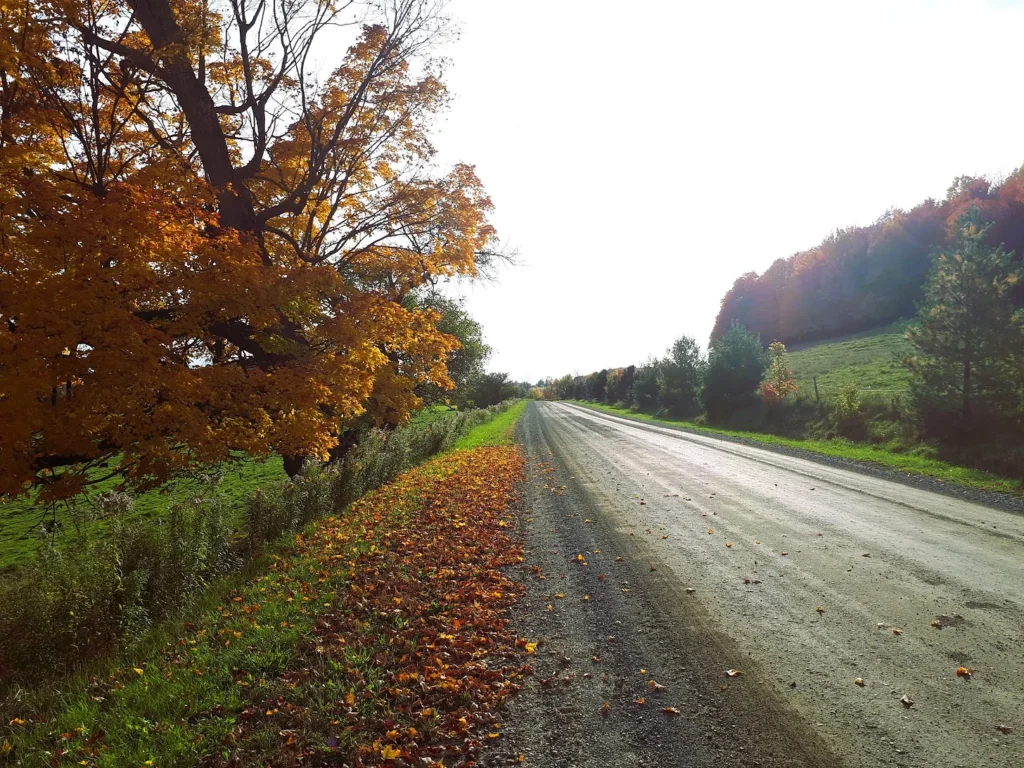
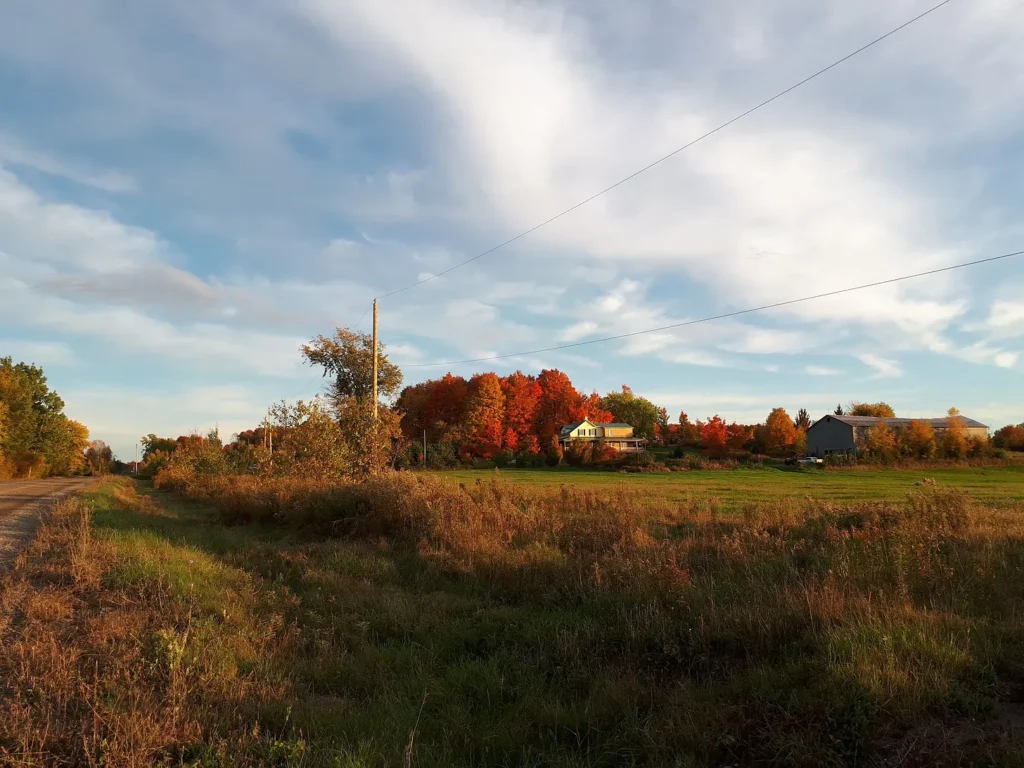
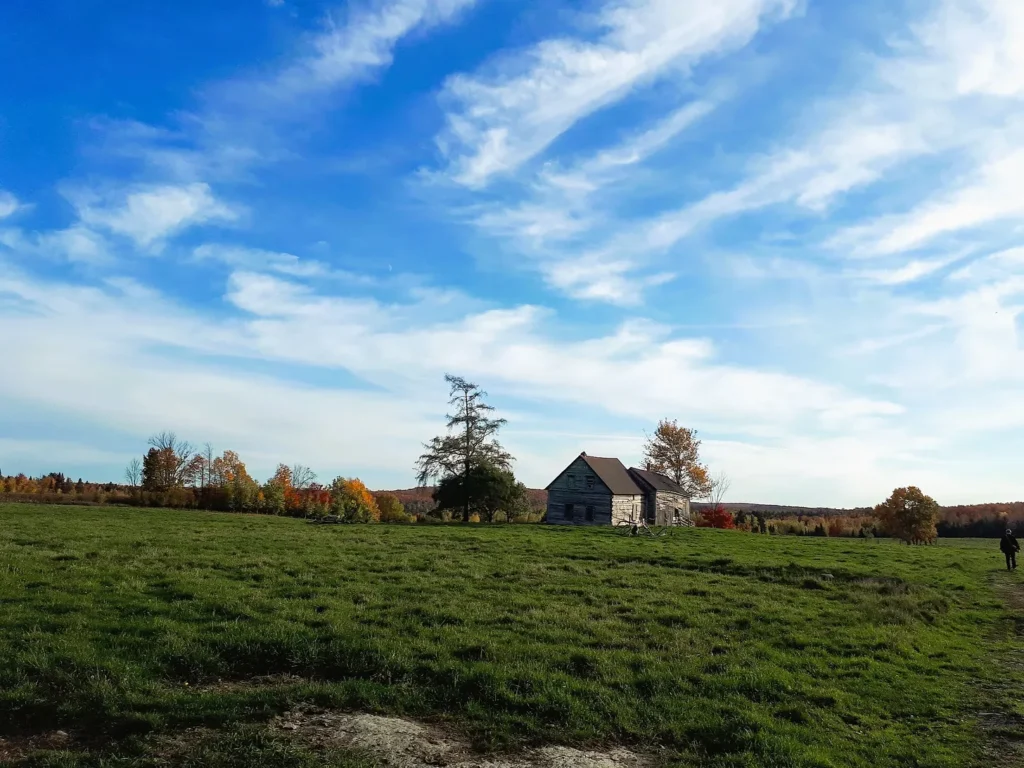
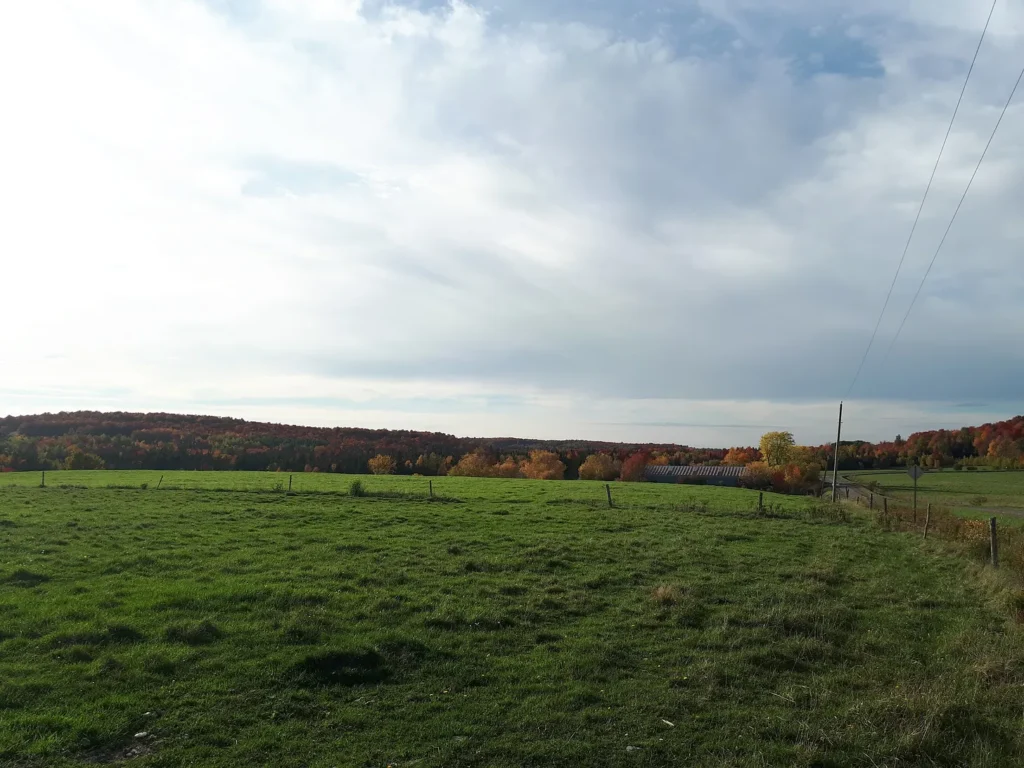
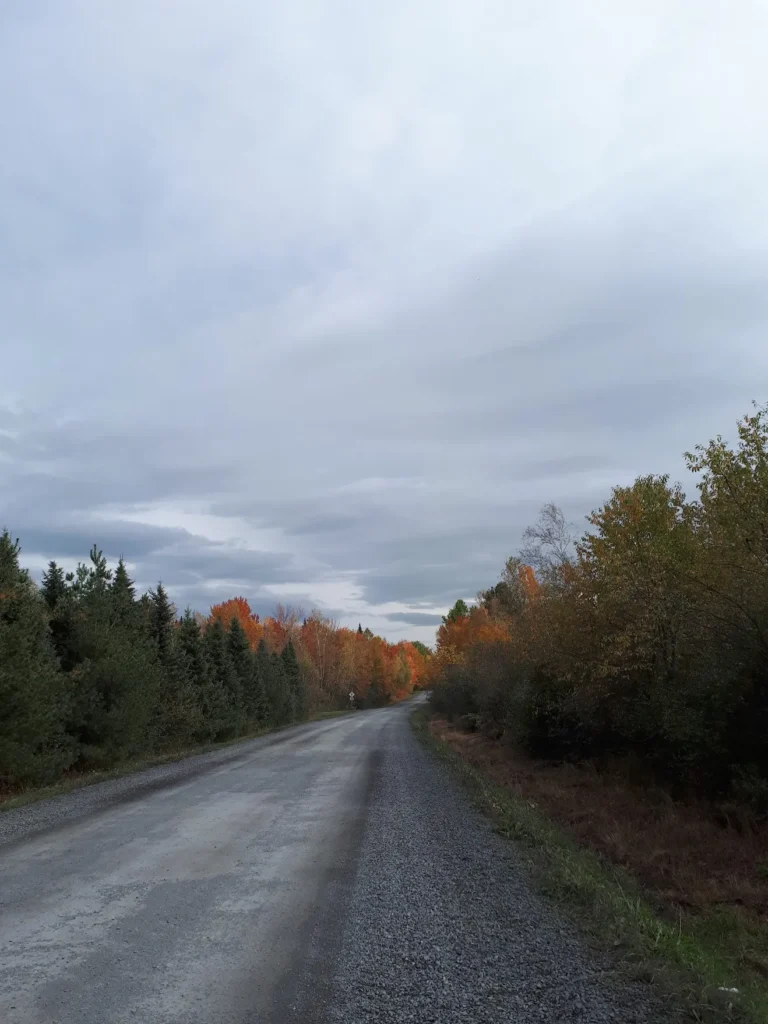
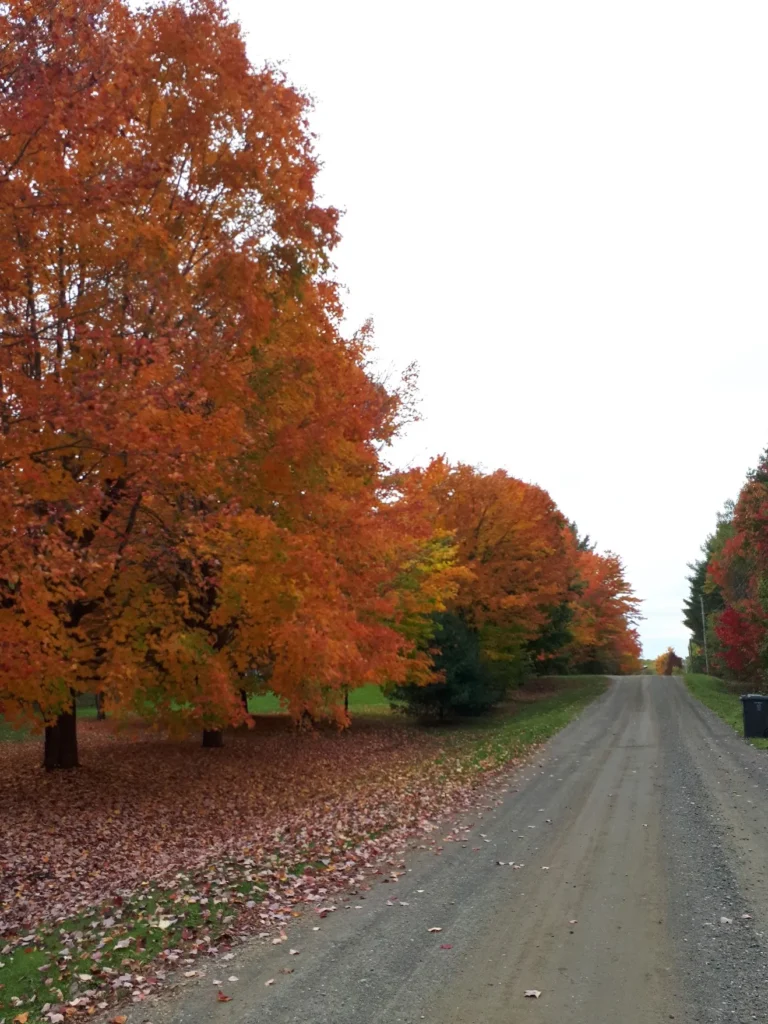
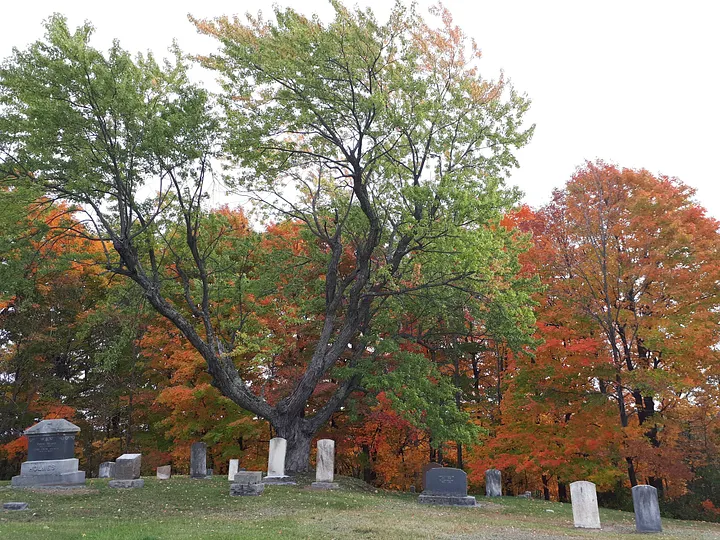
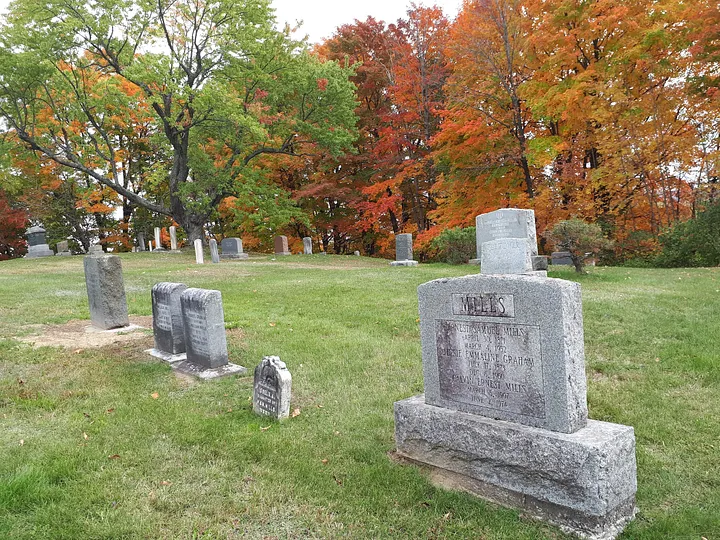
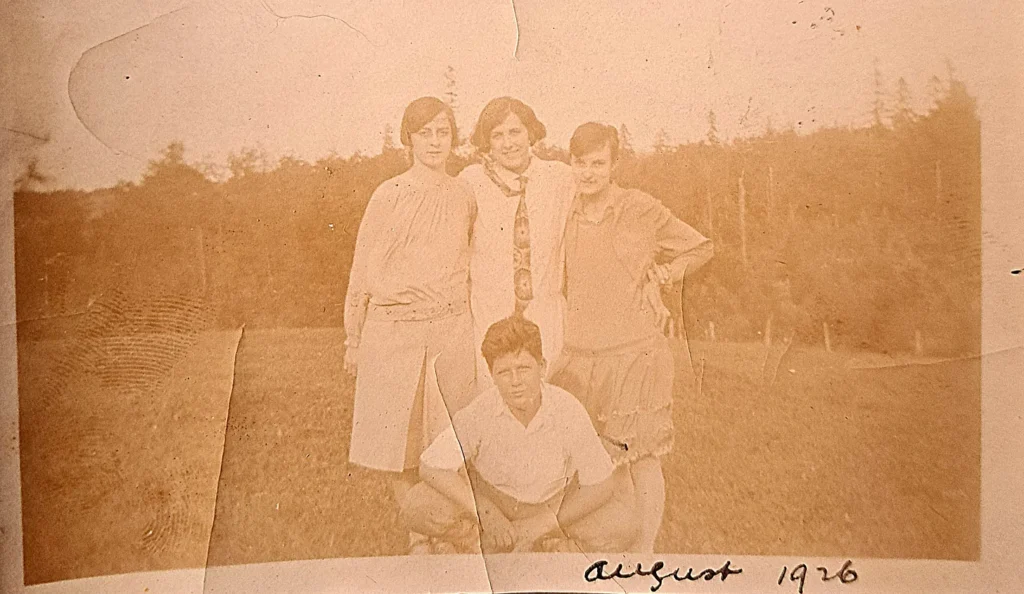
The photographs in this letter are much more recent. In 2021, with my husband, I finally took a trip to the Eastern Townships of Quebec, and to the very fields where my grandmother, her parents and brother, and their families had lived—both sides going back for generations. One of the wonders of my life was how I felt on that land. A little haunted, sure. But mostly, uplifted. Joyful. Connected.
If any of this resonates, perhaps sparking memories of your own family history, I hope you’ll feel encouraged to share your story in the comments. Borrowing words from poet John Roedel, I suggest “we tell our tale to invite others to tell theirs,” in the “sacred cycle of storytelling.” Being vulnerable is about finding connection. At least, it should be.
I hope, in her life, my grandmother got to fully experience the gift of connection by sharing her most difficult story with us. If she didn’t, then I hope we really can help each other heal across time. Who knows? Maybe, it’s already happened.
1977: Fitting
Because we begged her
she pulls the dress from its dry box
and we lay it out.
Its wrinkles compel me
like the lines on my palm.
I’m not sure how to read them.

On the dress is an astonishment of hooks.

Floorboards creak
as my grandmother withdraws
and my cousin and I take turns
at fitting.
Arms into arms.
Eager fingers press metal
through the old eyes that hold.

The fabric grips me.

From its burial place in a cabinet drawer
I pull the photograph of the woman
who once wore this dress.
Fall Fair, 1908.
My ancestor signed in black
before she vanished,
travelling only through blood now.

I search for patterns in the sepia,
veins along the skirt and petals
which curl out and up the angles of my body…

A print of orange blooms
spreads across me and I blaze
to the mirror
in a sudden garden—
turning in the weight,
opening in the full cloth:
“My hair is like hers!” I call to my cousin,
“Look at my eyes!”

The room is silent.

Bent fingers seize at the clasps on my throat
undo them

and I am pulled from silken tiger lilies
like a jaw-stunned bird.

My grandmother folds her mother’s dress
back into its box.
Shakes her head.
“Her hair was different.”
Her hands smooth along the crease lines.
1899: Beginning, Finishing
Another sepia photograph shows
a young woman’s room in Ithaca, New York.
Great-grandmother stayed there,
her finishing school before marriage.
Beginning or finishing?

She will leave to marry the farmer who waits
and one day will name my grandma
after the lady of that New York house,
the one who says, “Don’t go.”

In the photo there is a couch with fringe
and leaves
embroidered on pillow sleeves.
A banjo is propped against a wall
where other pictures hang—her sketches.
Letters home wait to be sent.

The young woman is missing from the picture
though everywhere are her decisions:
the angle of the table
the pattern on the throw
the lamp in the window beside the bowl of apples.

Ghost of a stillborn child.

Years later people said the farmer’s house
lacked a woman’s touch.

My grandma shut her ears.
Theories
Hysterectomy was said to fix a woman’s problems,
cheer her up
settle her down.

In 1910 there was no replacement therapy.
Estrogen was a word in a foreign language,
the endocrine system
an uncharted sea.
After being ripped apart
a person feels uneasy.

Hysteria follows hysterectomy in the dictionary.
Not all cuts are by the knife.

There were a lot of Latin names
coming over on ships and spreading.

Theories raised in the labs of Europe
grew wild at roadside hospitals;
it was said nothing much could be done.
Depression was a moral illness,
field guides were scarce.
Tending minds forced questions of flower or weed:
matters of perspective.
Certain varieties found conditions rough.
Departures
I
In the garden
hands like morning glories
grip a child’s white shoulders
for the last time.

The woman wears travelling clothes.

What feather will her daughter later find
in the dirt?
Heat makes the skin damp
under her heavy dress.

What green veins will be crushed
on the road out past a South Durham farm?

The child stays behind,
spins, “Look at me, Mama, I’m a windmill,”

as the wagon moves
and the earth twirls
and the waving woman goes.

Empty wagon
on the still field
marks time.

Inside the house
the woman’s desk is locked
like Pharaoh’s tomb.
Through the years men will strike
their matches on it.

Outside a windmill turns,
silent.

II

She keeps her mother’s life a secret.

Seeds are blown on the wind
to escape the shadow
of the parent plant.
Words carry—
taunt canker-works on budding hearts
and hereditary degeneration.
Spelled out in blight,
locked away in wood.

She keeps her mother’s life a secret.

A child stops spinning
runs straight along a dirt road
chased by voices,
the calls of crows.

Moves away from that early garden.
Runs so hard she breaks
and blooms
into the full rose
elsewhere
watching us appear and scatter.

Her legs never work right again;
she feels that she’s come far enough.

III

She never runs from anything.

Roots here
at each place called home
where we find her.

This mother’s love
a stubborn flower
sustains itself, ungardened
along the roadsides even now.

Before she dies
my grandmother asks to be buried deep
so a child alone
may find a place with her.
All poems © Robin Blackburn McBride From In Green (Guernica Editions)
Thank you for being here.